Family collection of lost letters, diaries and objects found in attics and archives retrace archetypal ancestors' footprints to discover their lost life stories
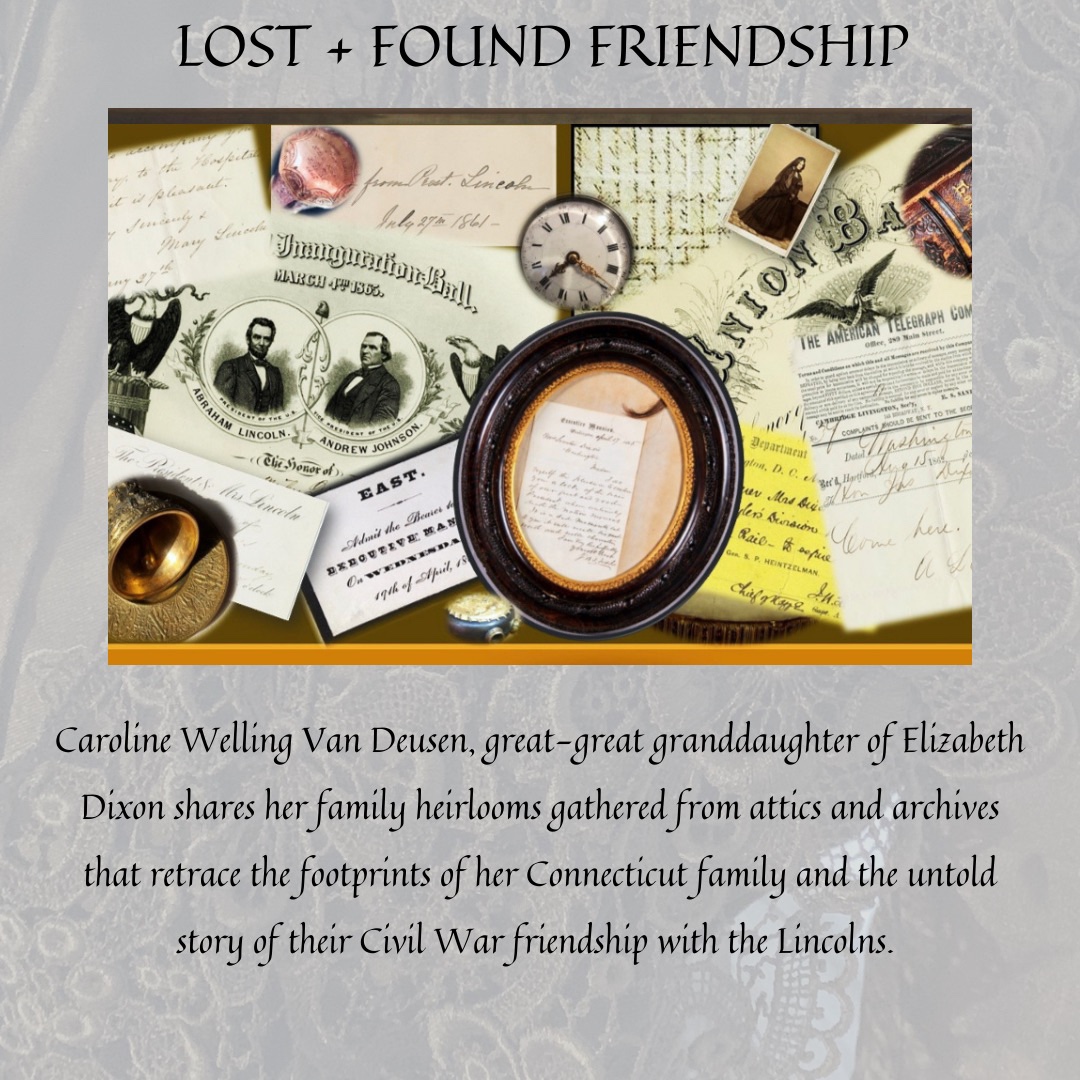
Lost + Found Friendship: stories of lore and legend, and never before seen Civil War heirlooms found in attics and archives retrace my family’s Civil War footprints and friendship they shared with the Lincolns. From their first days in Washington until their last— the Lost + Found Friendship story offers a rare glimpse into the lives of the Lincolns from a new vantage point.
LOST + FOUND FRIENDSHIP
Lost + Found Friendship: is presented for the first time in 155 years. Featuring family Civil War letters, heirlooms, and friendship keepsakes discovered in family attics and archives. Preserved over four generations, the items retrace one family’s Civil War footprints and the friendship they shared with the Lincolns — from their first days in Washington until their last.
Lost + Found Friendship shares a unique glimpse into the lives of the Lincolns from a new vantage point.
Lost + Found Friendship program is available as virtual or live event for public libraries, house museums or historical groups.
During my Jan 16, 2021 interview on Untold Civil War podcast we spoke about a couple major events of the Civil War that were witnessed by members of my family.
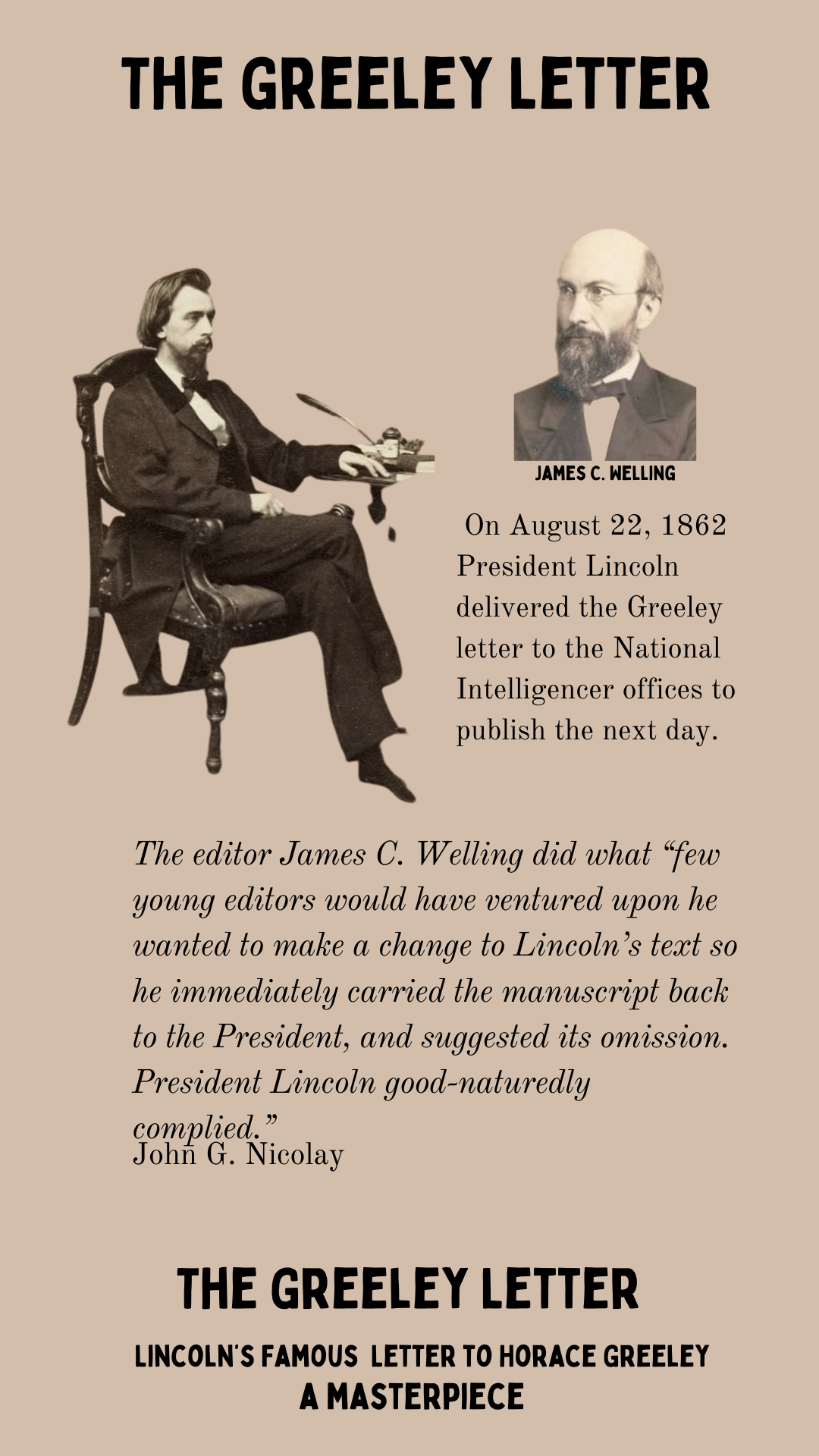
On August 22, 1862 when President Lincoln finished his famous letter to Horace Greeley he had the letter delivered to and published by National Intelligencer editor, my great grandfather, James Clarke Welling.
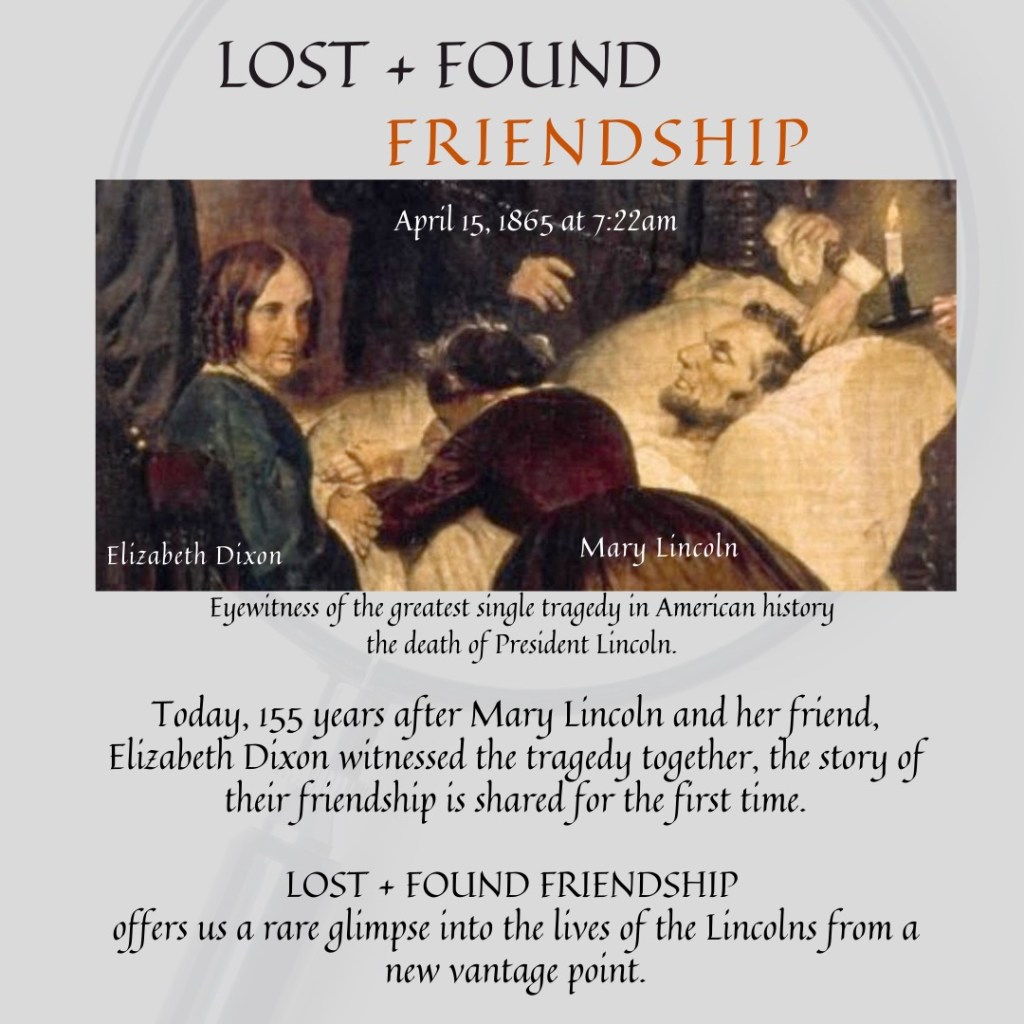
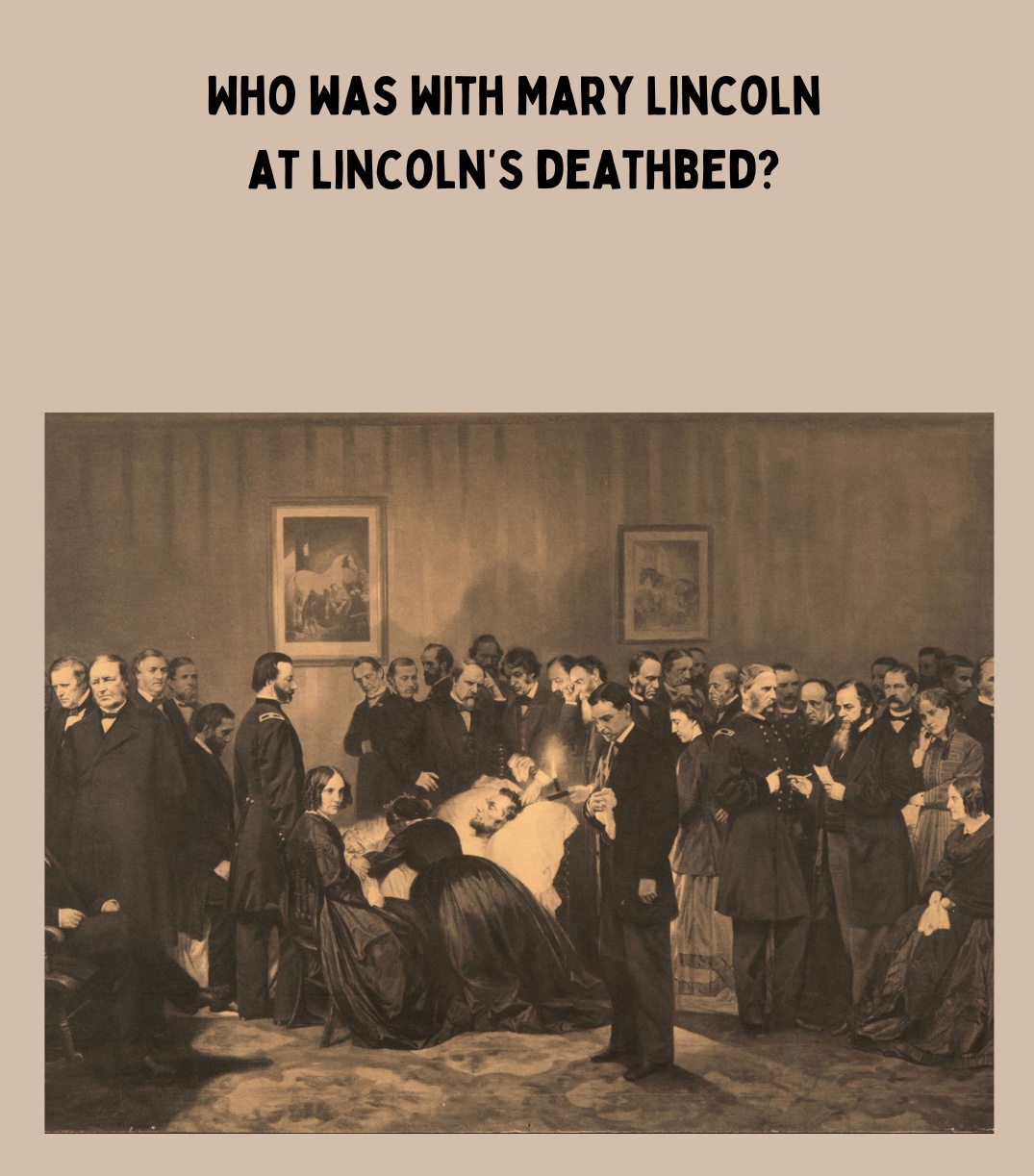
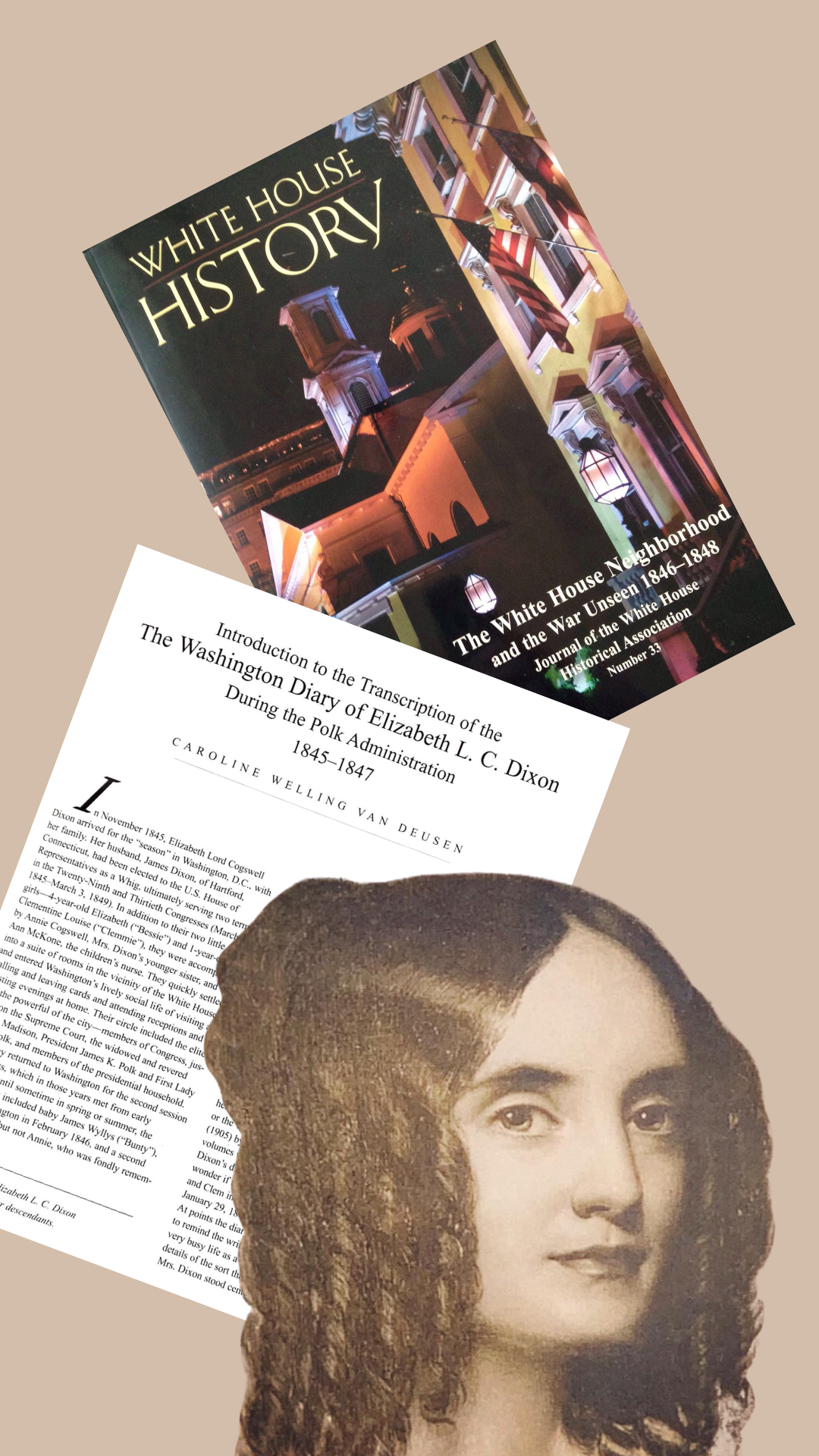
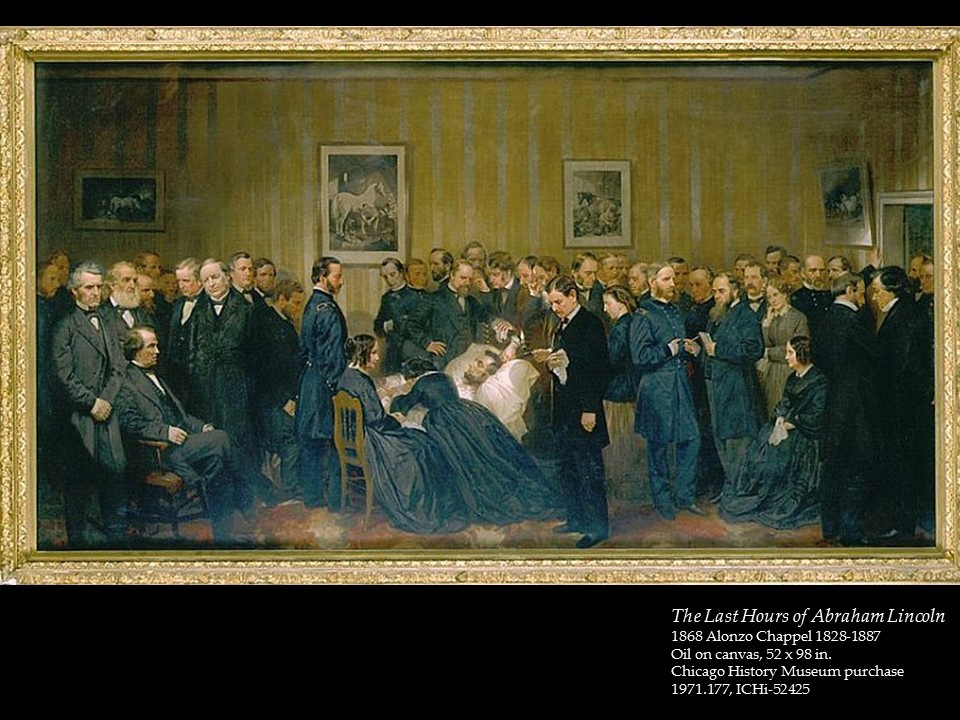
Also, another family member, my great great grandmother, Elizabeth L. C. Dixon was a witness at the Petersen House, when President Lincoln died at 7:22 am on April 15, 1865.
Follow Lost and Found History on Instagram for new stories.
Paul and I discuss Civil War heirlooms that retrace my family’s Civil War footprints and friendship with the Lincolns, from the Lincolns’ first days in Washington until their last.
Last Hours of Abraham Lincoln
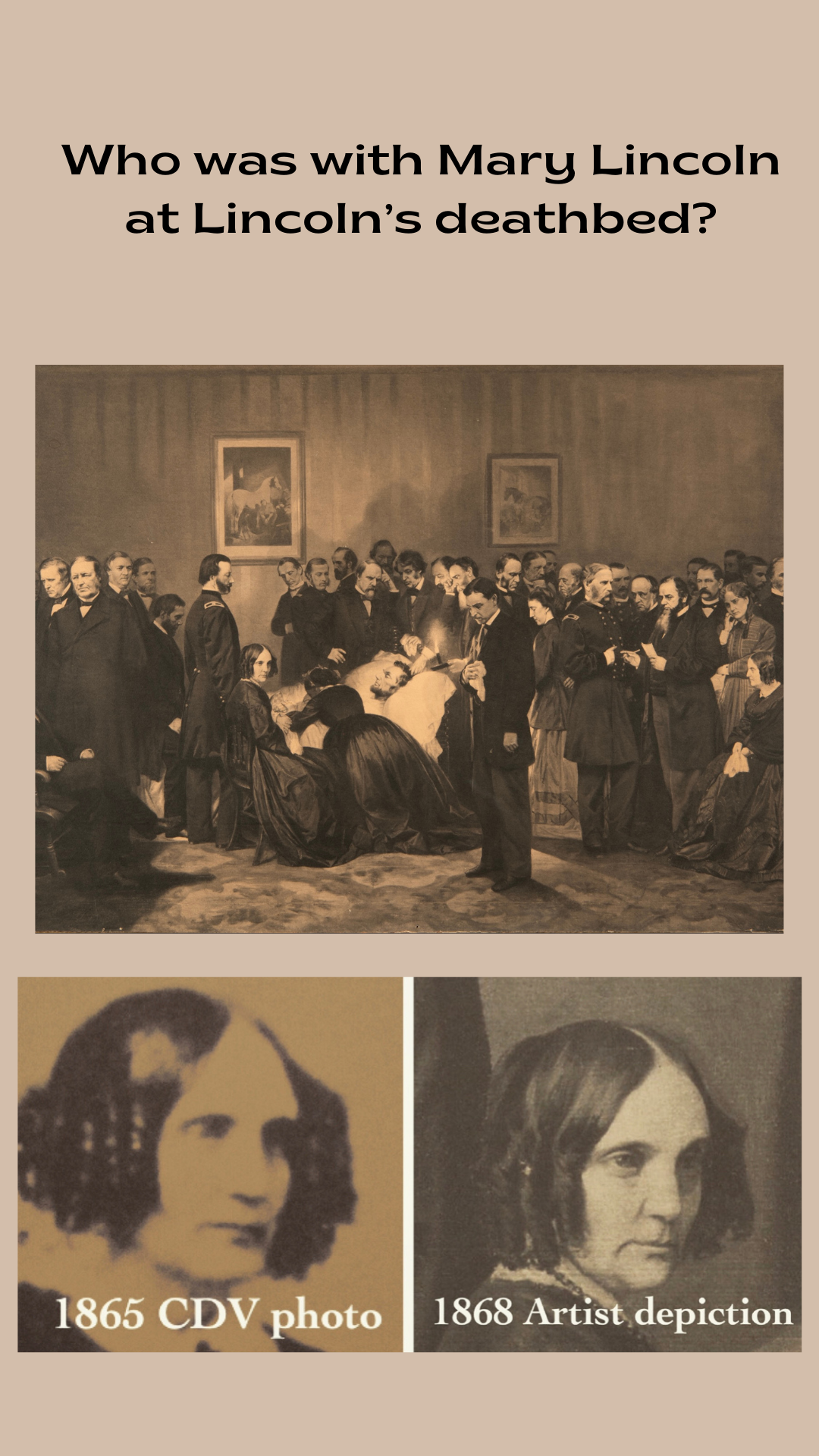
Until now, little is known about these lady friends of Mary Lincoln who witnessed Lincoln’s death.
We discuss, the possibly as to, why it’s taken 155 years to learn who they were and why these friends were at the Petersen House.
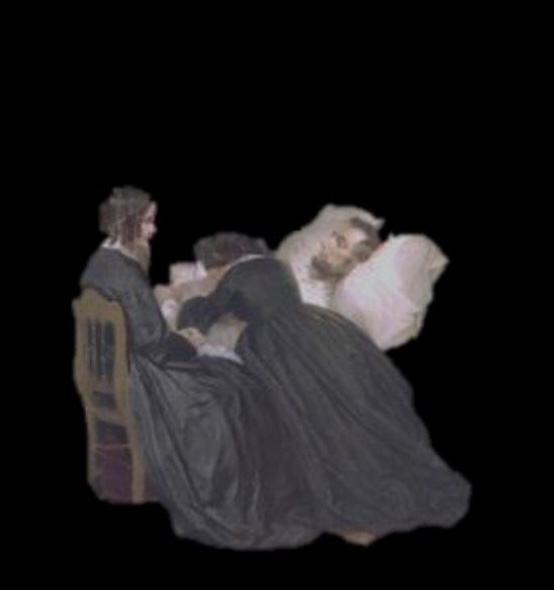
Elizabeth Dixon, Mary Lincoln at Lincoln’s deathbed
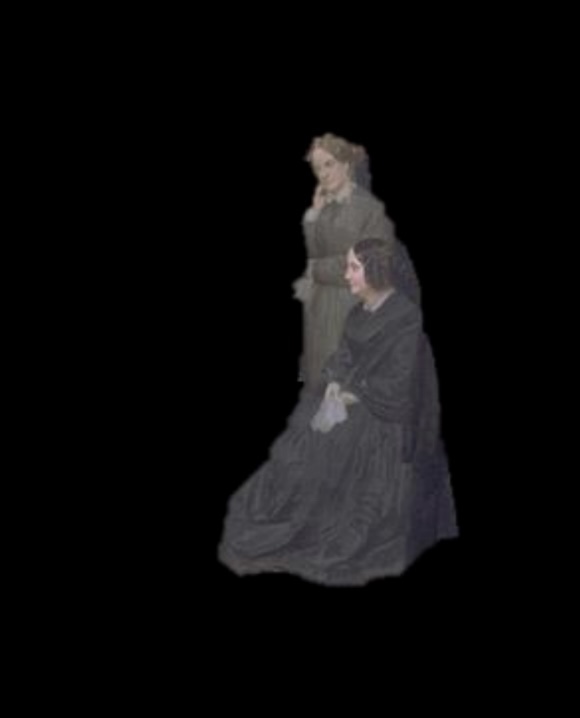
Mrs. Mary C. Kinney and Miss Constance Kinney, future Countess Gianotti, wife of Count Caesar Gianotti of Italy.
Shown on the top, is my great-great grandmother, Mrs. Elizabeth L. C. Dixon with outstretched Mary Lincoln and the dying president.
Below are two other family members who witnessed Lincoln’s death– the sister of Elizabeth L.C. Dixon, Mrs. Mary C. Kinney and niece, Miss Constance Kinney, future Countess Gianotti, wife of Count Caesar Gianotti, of Italy.
Please listen to the episode and let me know if you find it informative and/or interesting.
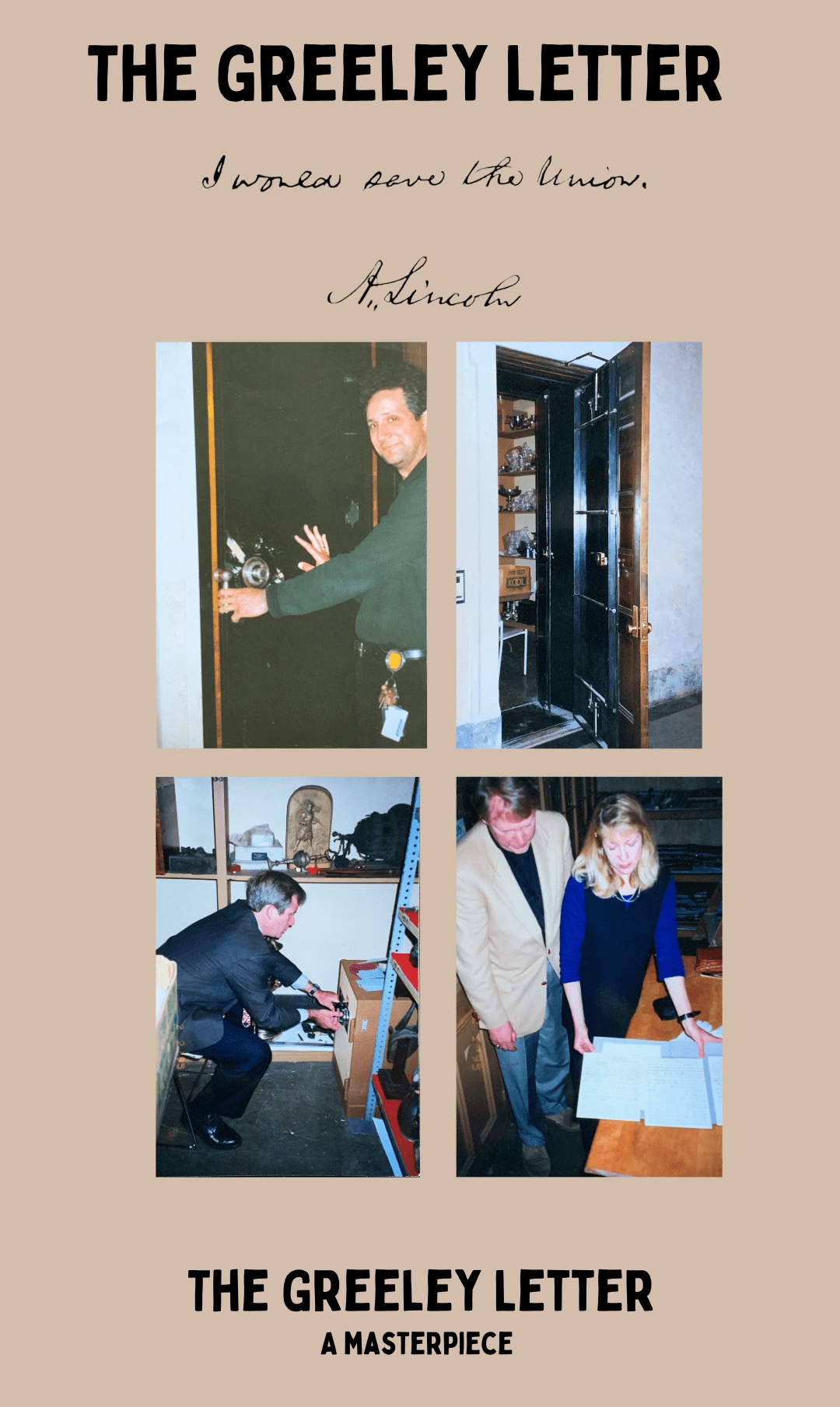
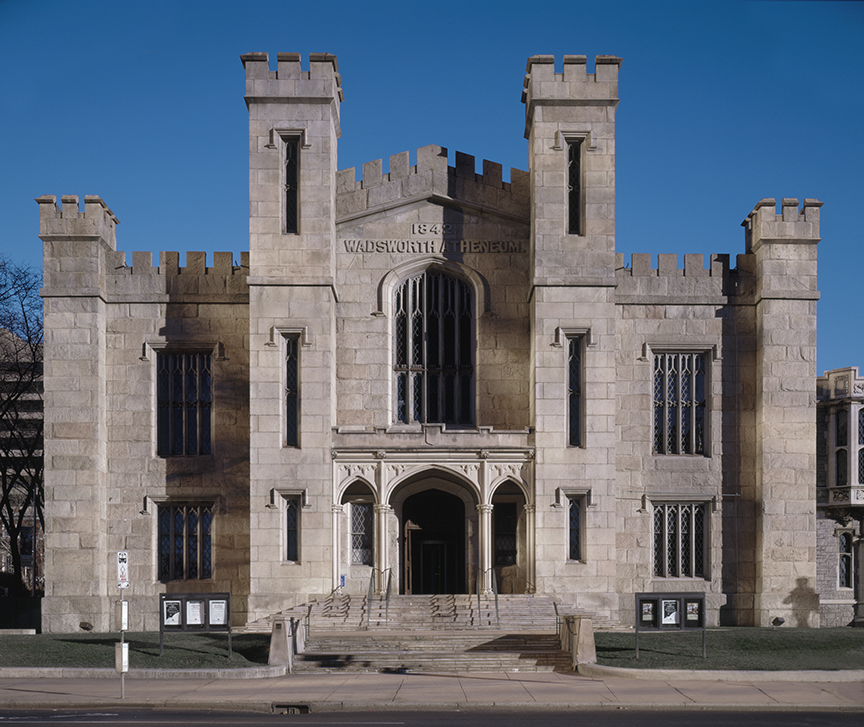
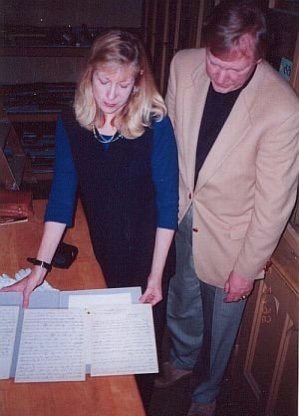
During a trip back to Hartford Connecticut I scheduled a visit to the Wadsworth Atheneum to see President Lincoln’s famous letter he wrote to Horace Greeley, August 22, 1862.
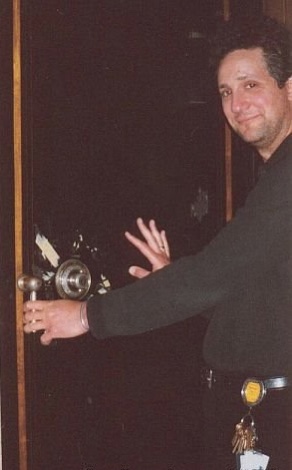
Within this vault is President Lincoln’s famous letter to Horace Greeley
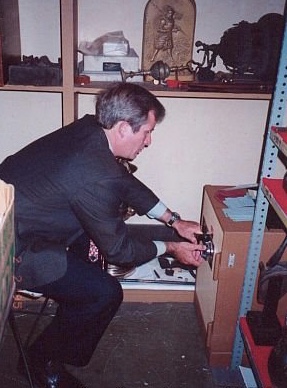
Inside the vault is the safe with the famous letter, the administrator was on vacation, the summer staff struggled and took 45 minutes to open
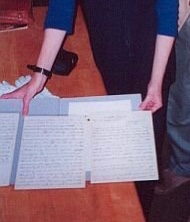
Seeing the masterpiece: The Greeley Letter
Words from this letter are etched in American History;
My paramount object is to save the Union and is not either to save or destroy slavery…
The historian Phillip Shaw Paludan wrote about the importance of the letter;
If there is one document that is more often quoted than any other in the argument, debate, or conversation about Lincoln it is the letter that Lincoln wrote on August 22, 1862 to Horace Greeley.
On Friday, August 22,1862 Lincoln sent his famous Greeley letter not to Horace Greeley but a rival editor, Dr. James Clarke Welling, the managing editor of the National Intelligencer who published the letter the following day.
During the Civil War, and early in the war Dr. Welling often advised President Lincoln and his Cabinet members.
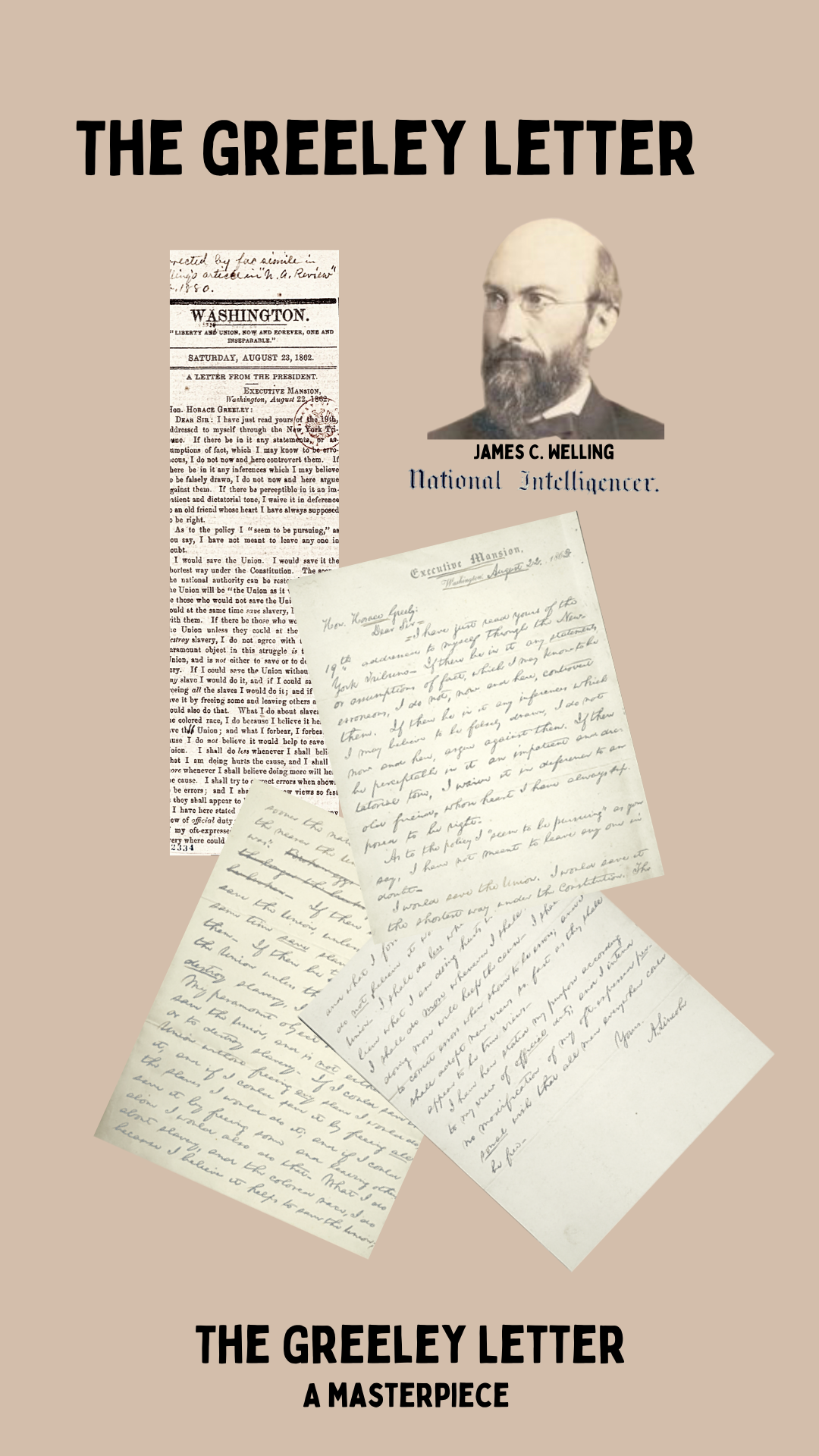
This letter appeared for the first time in the National Intelligencer on August 23, 1862 and the letter came into my hands from the fact I was one of the editors.
In his 1880 article Dr. James Clarke Welling included a facsimile of the letter ‘for editorial curiosity’.
Why is this American treasure at the Wadsworth Atheneum ? Why was I allowed to handle the original?
In 1923, almost 100 years ago, my family donated the Greeley Letter to the Wadsworth Atheneum. It is the oldest art museum in the country.
It was the wish of our great grandfather, Dr. James Clarke Welling that the Greeley Letter be placed in a public museum preserved for others in the future.
He believed the Greeley Letter was an American masterpiece. Since it’s inception in the 1840s, the Wadsworth Atheneum has served the community as both public art museum, historical society and public library. There the letter resides in perpetuity.
On August 22, 1862 President Abraham Lincoln wrote his, now famous, public letter to Mr. Horace Greeley, editor of the New-York Tribune.
Lincoln never sent the letter to Greeley. He sent it to a rival editor, National Intelligencer editor, James Clarke Welling, who published a ‘revised version’ the following day.
President Lincoln’s private secretary, John Nicolay later recollected:
On August 22, 1862 President Lincoln wrote an open letter to Horace Greeley, editor of New York Tribune. This letter, which has become famous in history, he sent to the National Intelligencer for publication. Dr. James Clarke Welling was at that time the editor in charge, and he did what few young editors would have ventured upon. He wanted to make a change to Lincoln’s text so he immediately carried the manuscript back to the President, and suggested its omission. President Lincoln good-naturedly complied, not that he was convinced of the alleged imperfection, but because he never stubbornly resisted advice where only trifles were concerned.
Recollections of John Nicolay Private Secretary to President Lincoln Princeton College Bulletin Volume VII; April, 1895
From an early age, Dr. James Clarke Welling was passionate about historical accuracy. His college thesis at Princeton was Causes of Historical Discrepancies.
In 1880 Dr. James Clarke Welling brought to the attention of the Library of Congress that another revision should be made on the printed version of the text of the published letter to Greeley. Dr. Welling referred to the original letter in his possession and corrected the misprinted word from “this” union to “the” union.
Lincoln, Abraham. Abraham Lincoln papers: Series 2. General Correspondence. 1858 to 1864: Abraham Lincoln to Horace Greeley, Friday, Clipping from Aug. 23, 1862 Daily National Intelligencer, Washington, D.C . 1862. Manuscript/Mixed Material. https://www.loc.gov/item/mal4233400/.


 LOST + FOUND HISTORY