Family collection of lost letters, diaries and objects found in attics and archives retrace archetypal ancestors' footprints to discover their lost life stories
Lost + Found Friendship: stories of lore and legend, and never before seen Civil War heirlooms found in attics and archives retrace my family’s Civil War footprints and friendship they shared with the Lincolns. From their first days in Washington until their last— the Lost + Found Friendship story offers a rare glimpse into the lives of the Lincolns from a new vantage point.
LOST + FOUND FRIENDSHIP
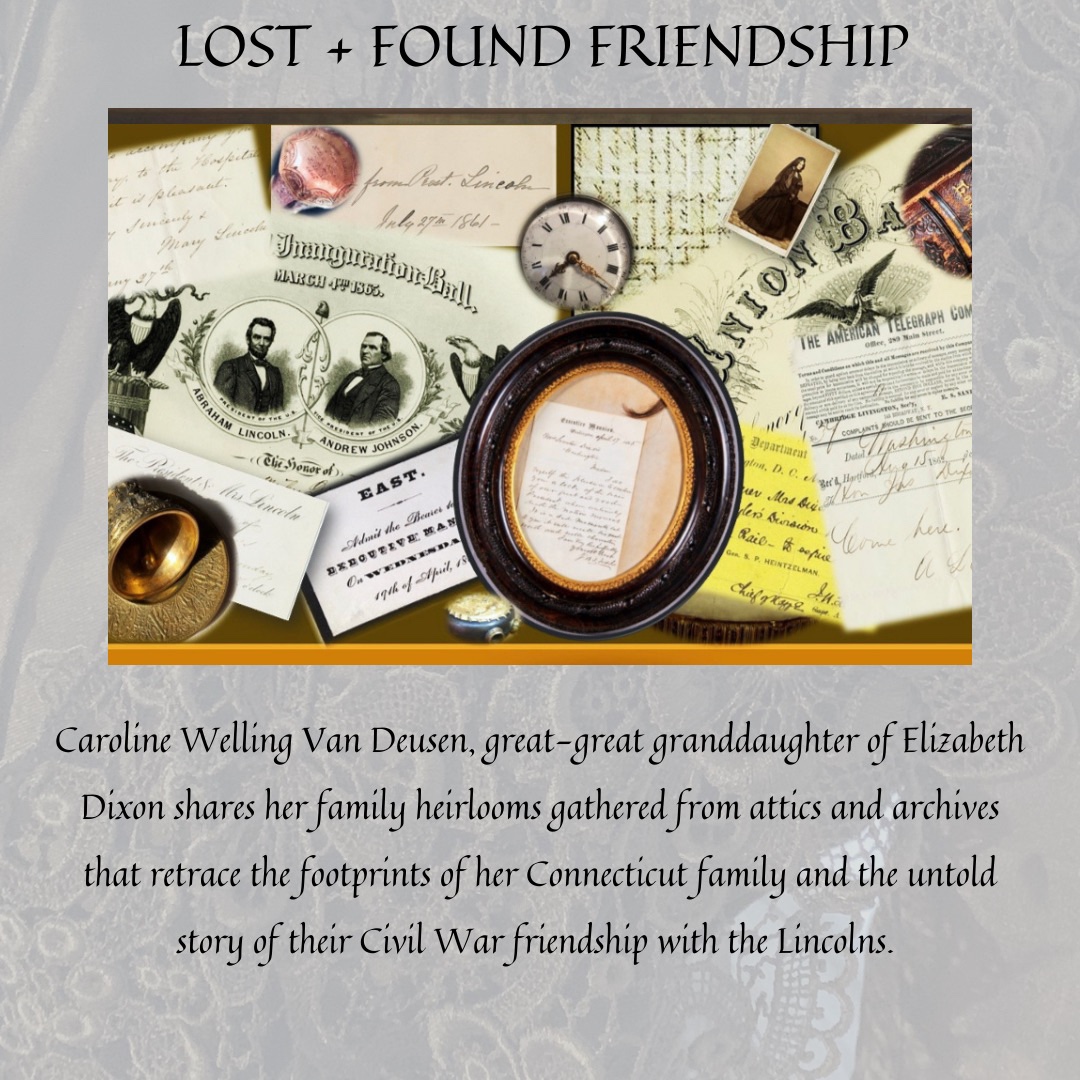
Lost + Found Friendship: is presented for the first time in 155 years. Featuring family Civil War letters, heirlooms, and friendship keepsakes discovered in family attics and archives. Preserved over four generations, the items retrace one family’s Civil War footprints and the friendship they shared with the Lincolns — from their first days in Washington until their last.
Lost + Found Friendship shares a unique glimpse into the lives of the Lincolns from a new vantage point.
Lost + Found Friendship program is available as virtual or live event for public libraries, house museums or historical groups.
In the evening of April 15, 2021, the 156th anniversary of the death of President Abraham Lincoln the Arts Club of Washington commemorated his life and legacy with the virtual program, “Lincoln’s Last Breath”.
The program explored Civil War friendship of Mrs. Elizabeth L. C. Dixon, wife of Senator James Dixon of Connecticut and Mrs. Mary Todd Lincoln.
Elizabeth Dixon, was my great great grandmother, and she left us a trove of letters and relics that allow us to retrace her foot prints and friendship with the Lincoln‘s from their first days in Washington until their last.
Elizabeth and her junior congressman husband, James Dixon of Connecticut had first come to Washington in November 1845, during the Polk administration. During these years she kept a journal, a diary, that described those first years in Washington. It had been partially transcribed in the 1970s by my great aunt Elsa, before she donated it to the Connecticut Historical Society, where it remained virtually forgotten.
Elizabeth Dixon was my grandfather’s grandmother. She was my great, great grandmother. This diary, she had dedicated to her daughters Bessie and Clementine. Clementine awas my great grandmother, Mrs. Clementine L.D. Welling.
Journal written during a residence in Washington during the 29th Congress commencing first of Dec, 1845 Dedicated to my daughters Bessie in Clementine by their mother, Elizabeth L. C. Dixon
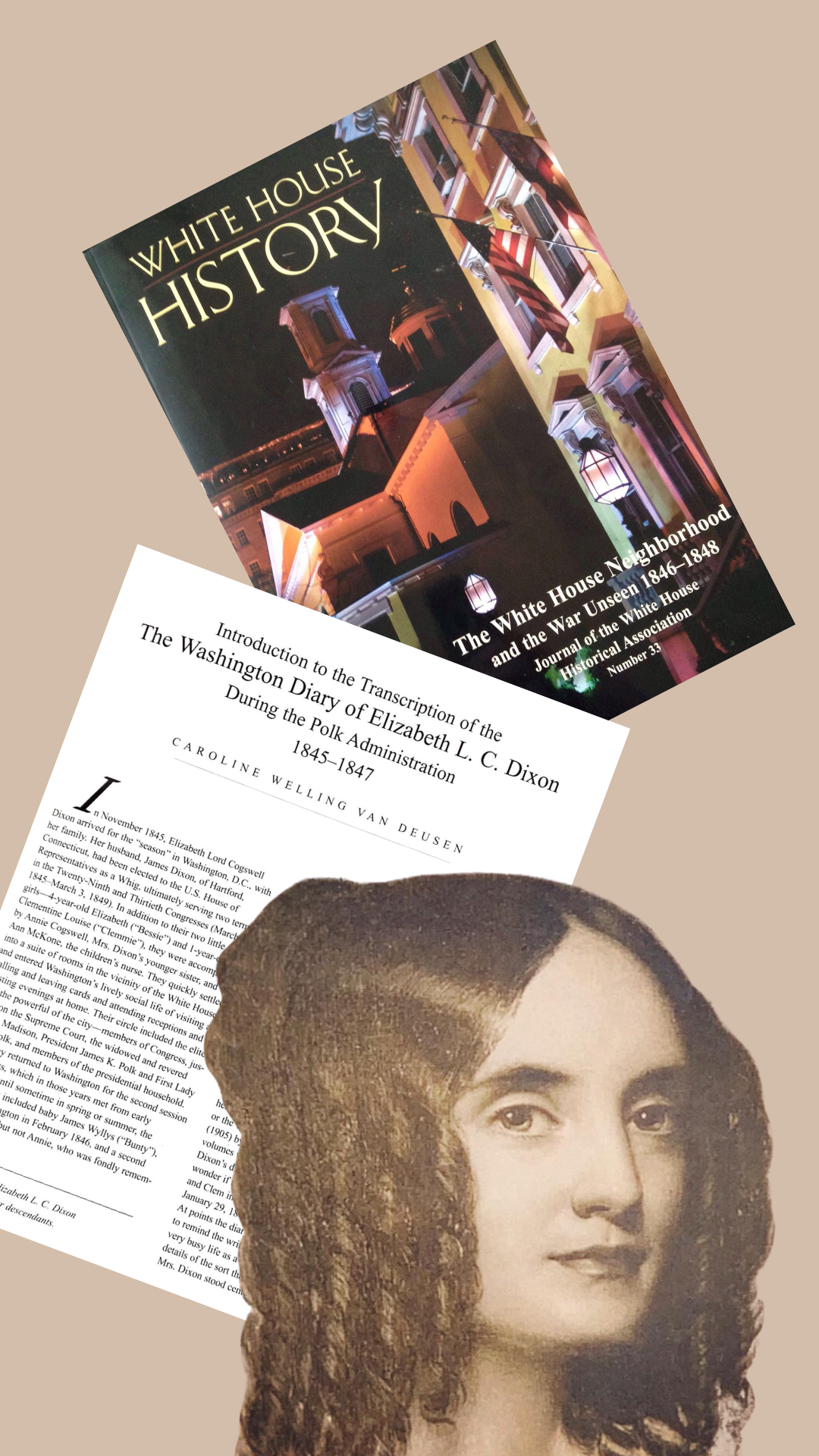
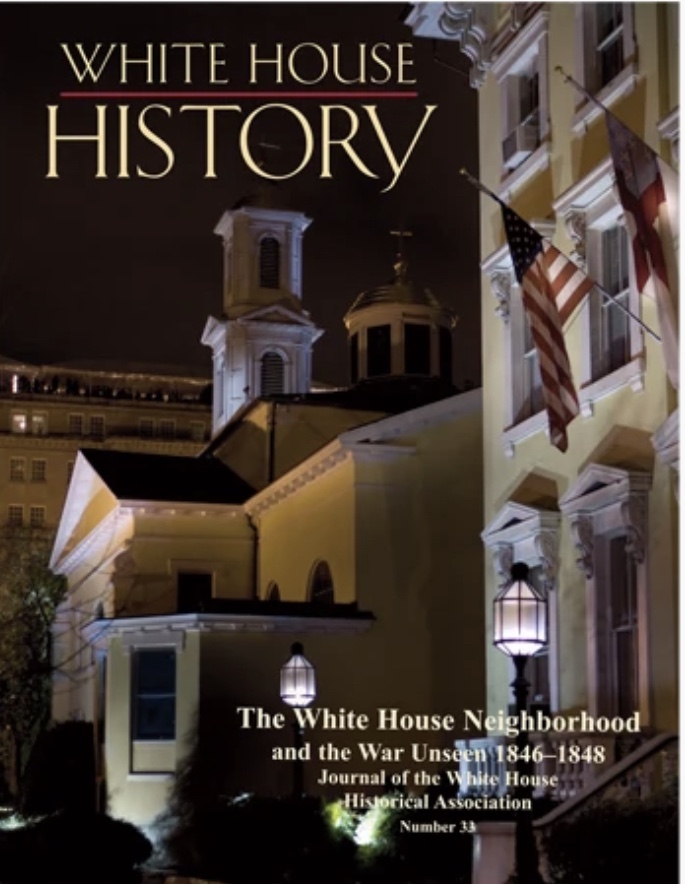
From 2009-2012 I took on the arduous task and transcribed her 50 page handwritten diary and submitted this transcription to the White House Historical Association, who published; The Diary of Elizabeth Dixon in
During Covid, I have been transcribing another of Elizabeth Dixon‘s diary, the Dixon’s 1840-41 Honeymoon Grand Tour through Europe. Watch for future posts. Until then, Caroline
During my Jan 16, 2021 interview on Untold Civil War podcast we spoke about a couple major events of the Civil War that were witnessed by members of my family.
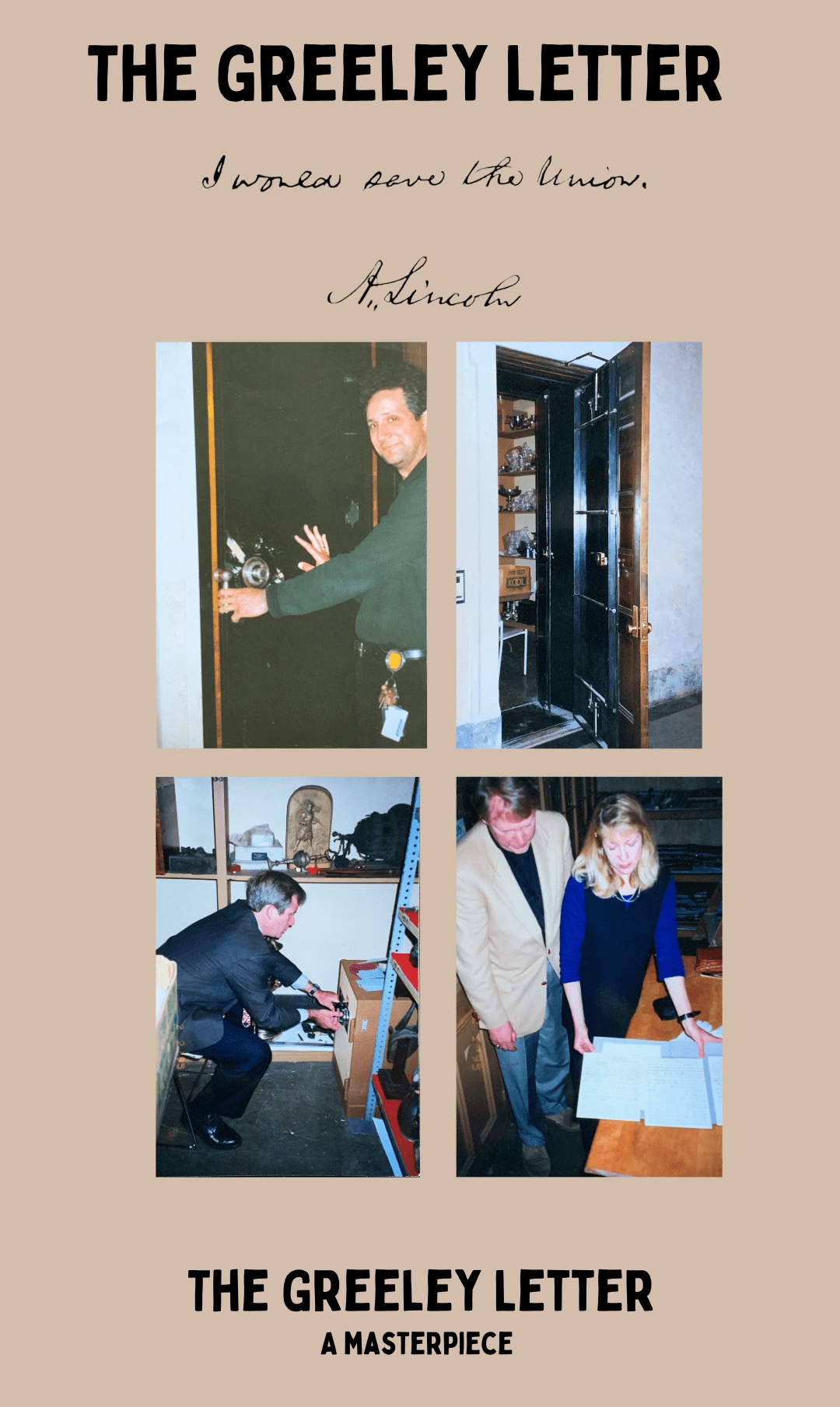
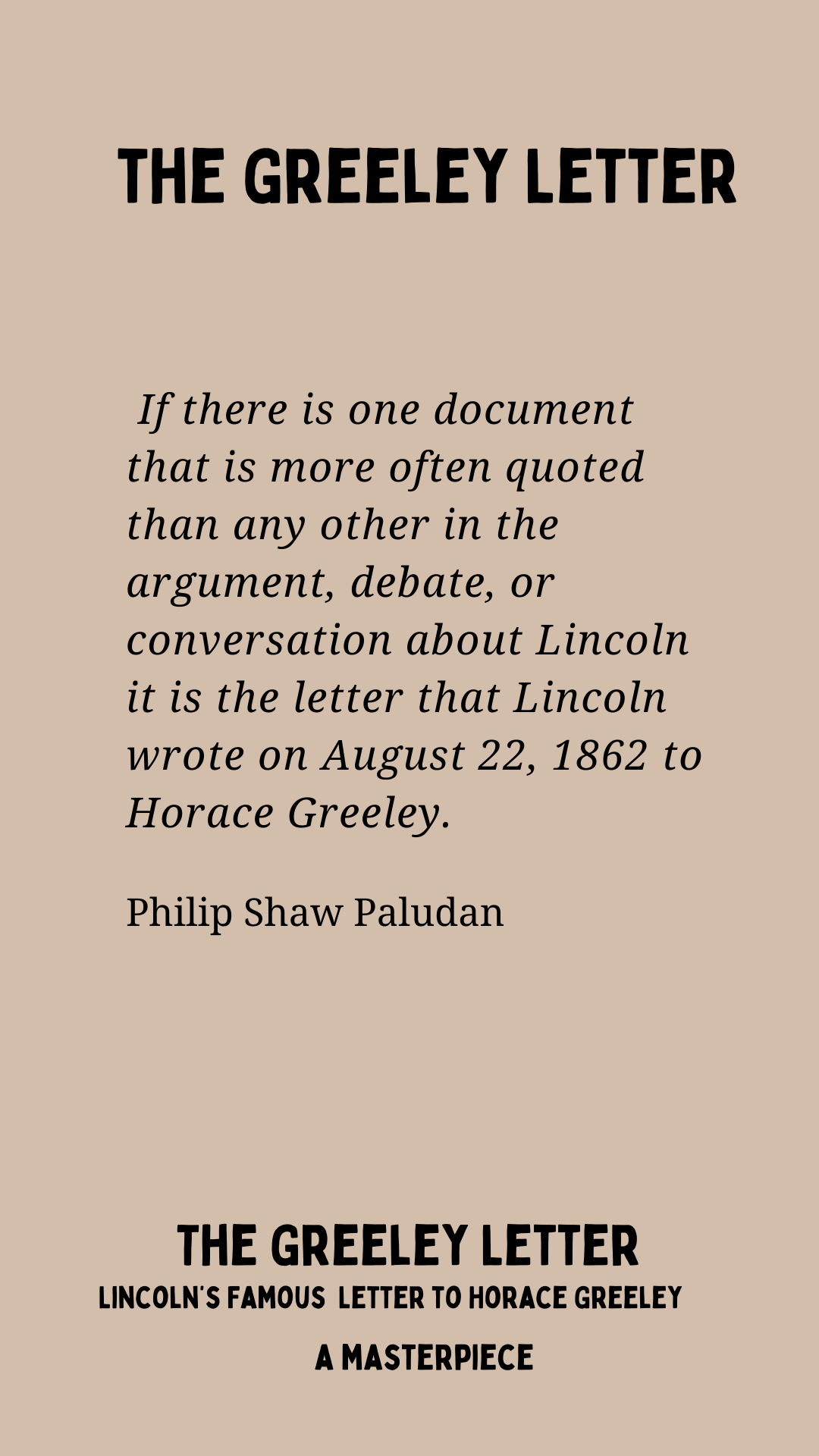
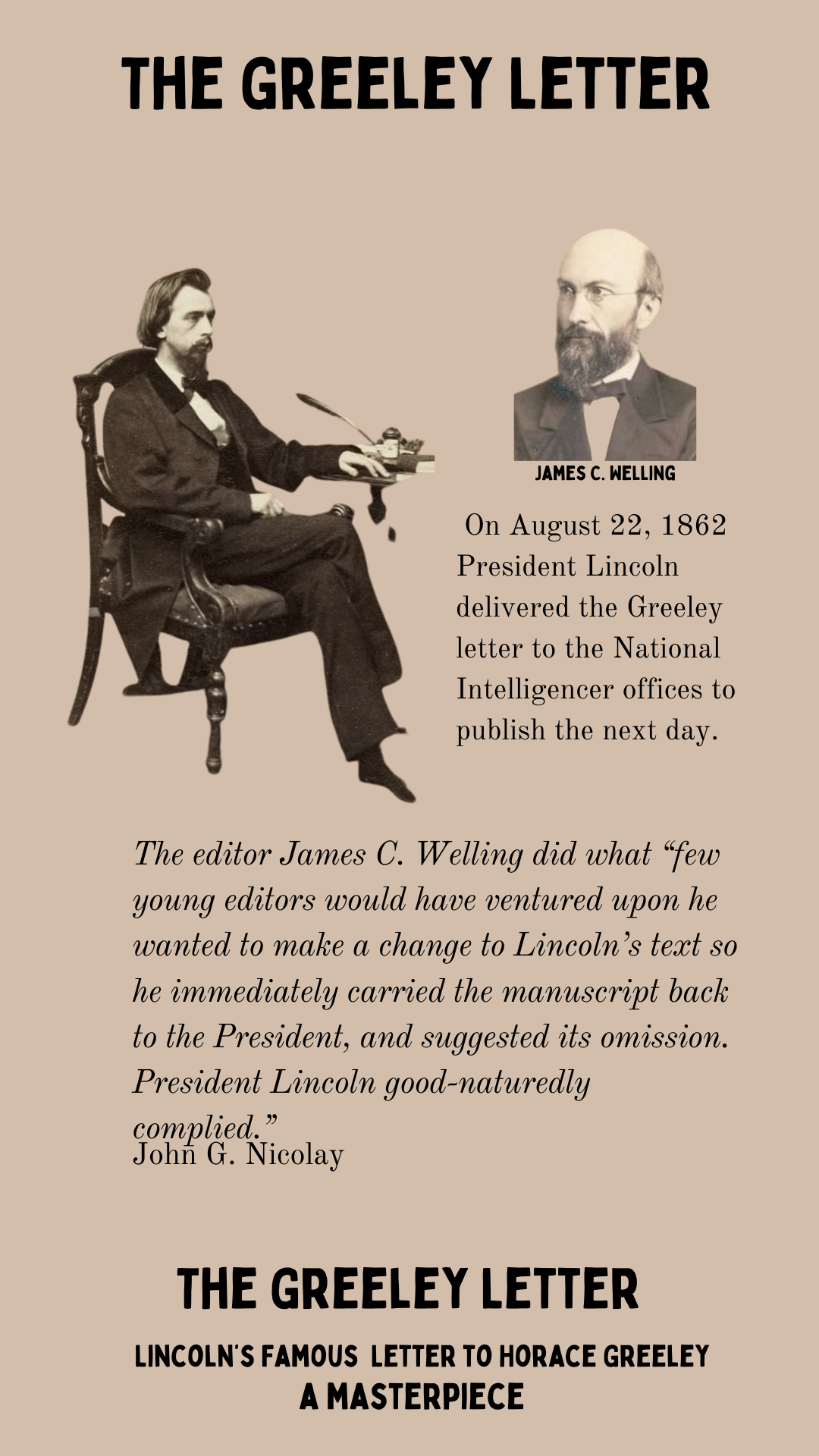
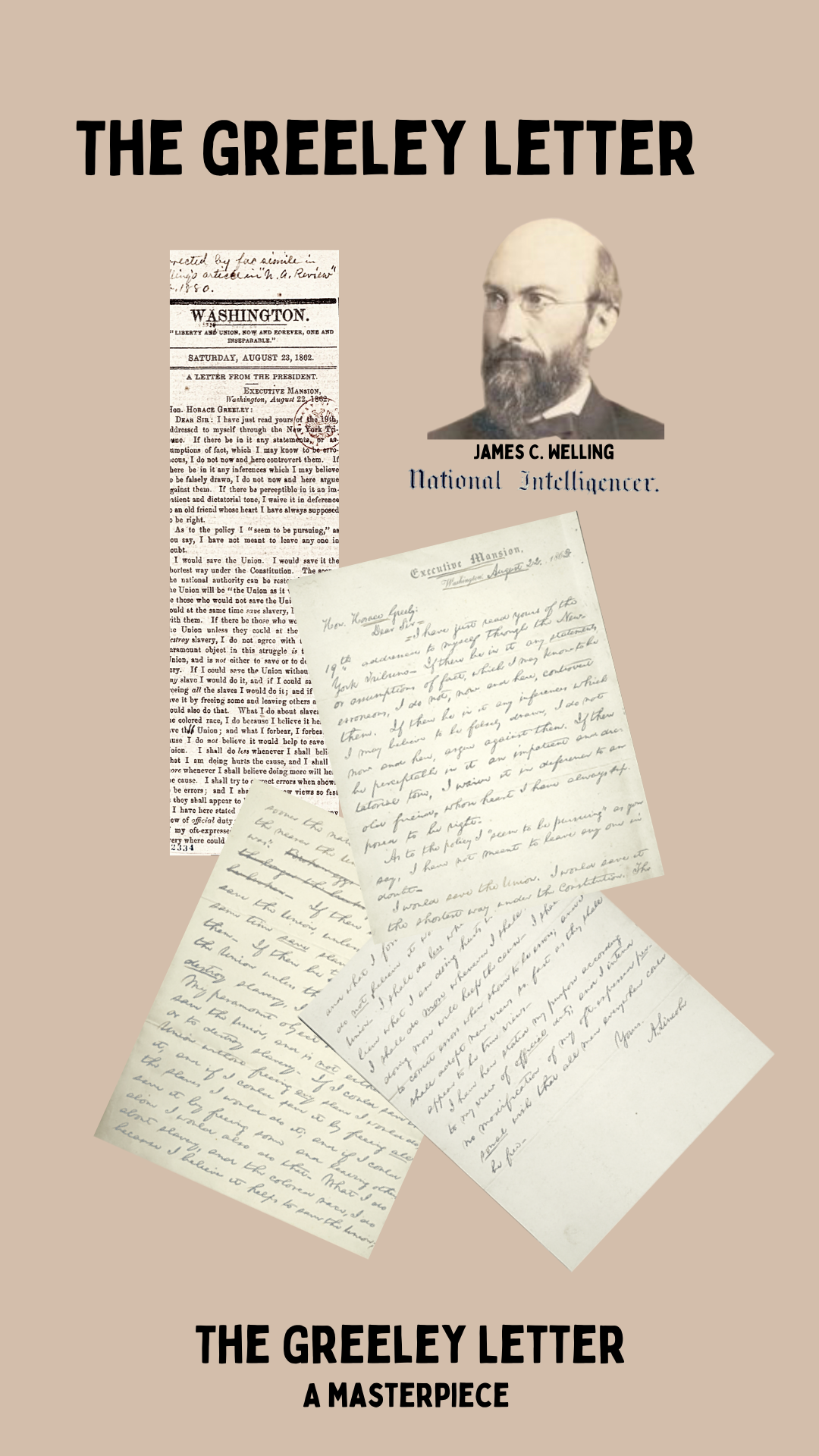
On August 22, 1862 when President Lincoln finished his famous letter to Horace Greeley he had the letter delivered to and published by National Intelligencer editor, my great grandfather, James Clarke Welling.
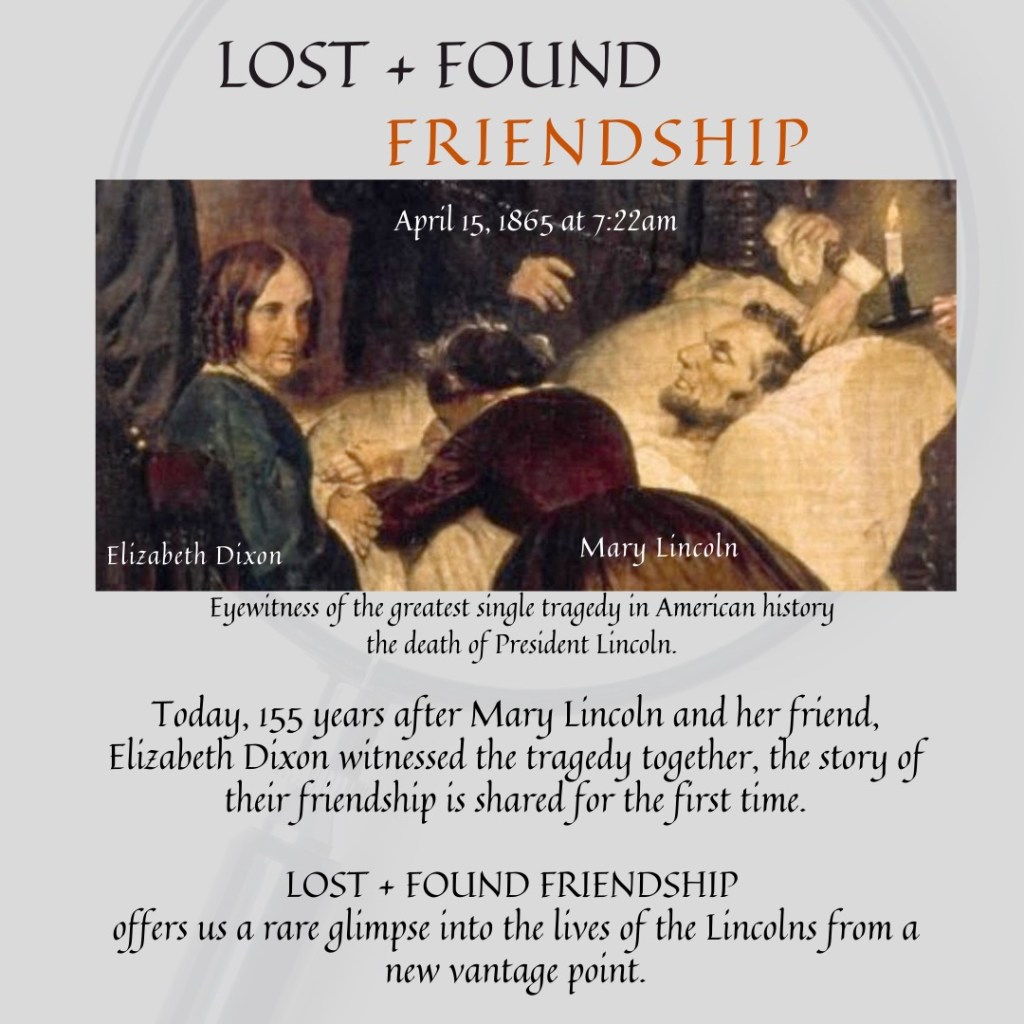
Also, another family member, my great great grandmother, Elizabeth L. C. Dixon was a witness at the Petersen House, when President Lincoln died at 7:22 am on April 15, 1865.
Follow Lost and Found History on Instagram for new stories.
Paul and I discuss Civil War heirlooms that retrace my family’s Civil War footprints and friendship with the Lincolns, from the Lincolns’ first days in Washington until their last.
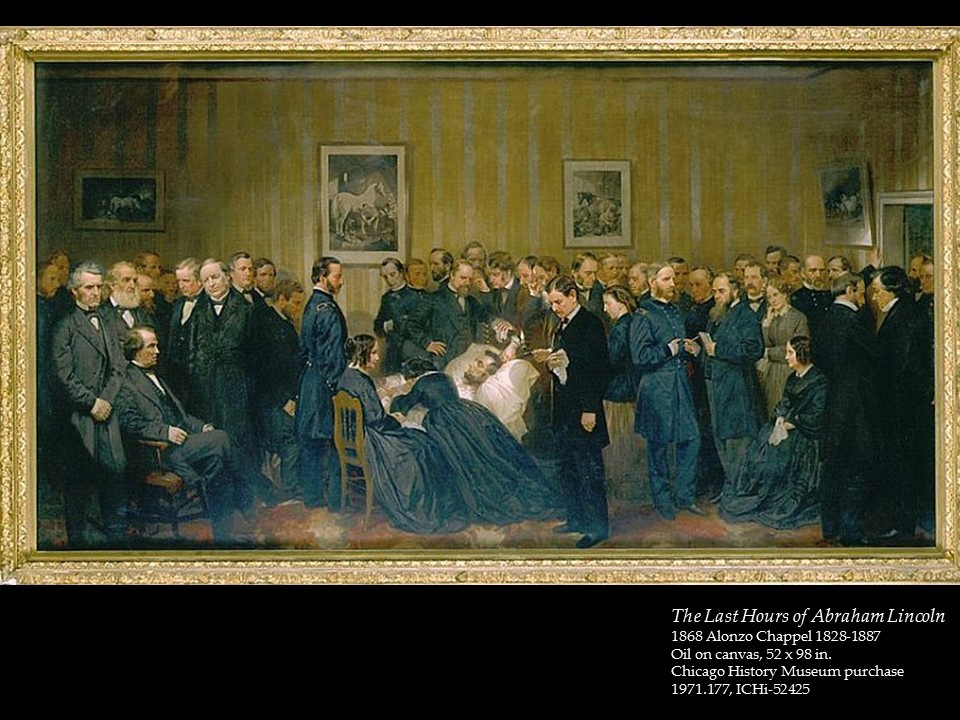
Last Hours of Abraham Lincoln
Until now, little is known about these lady friends of Mary Lincoln who witnessed Lincoln’s death.
We discuss, the possibly as to, why it’s taken 155 years to learn who they were and why these friends were at the Petersen House.
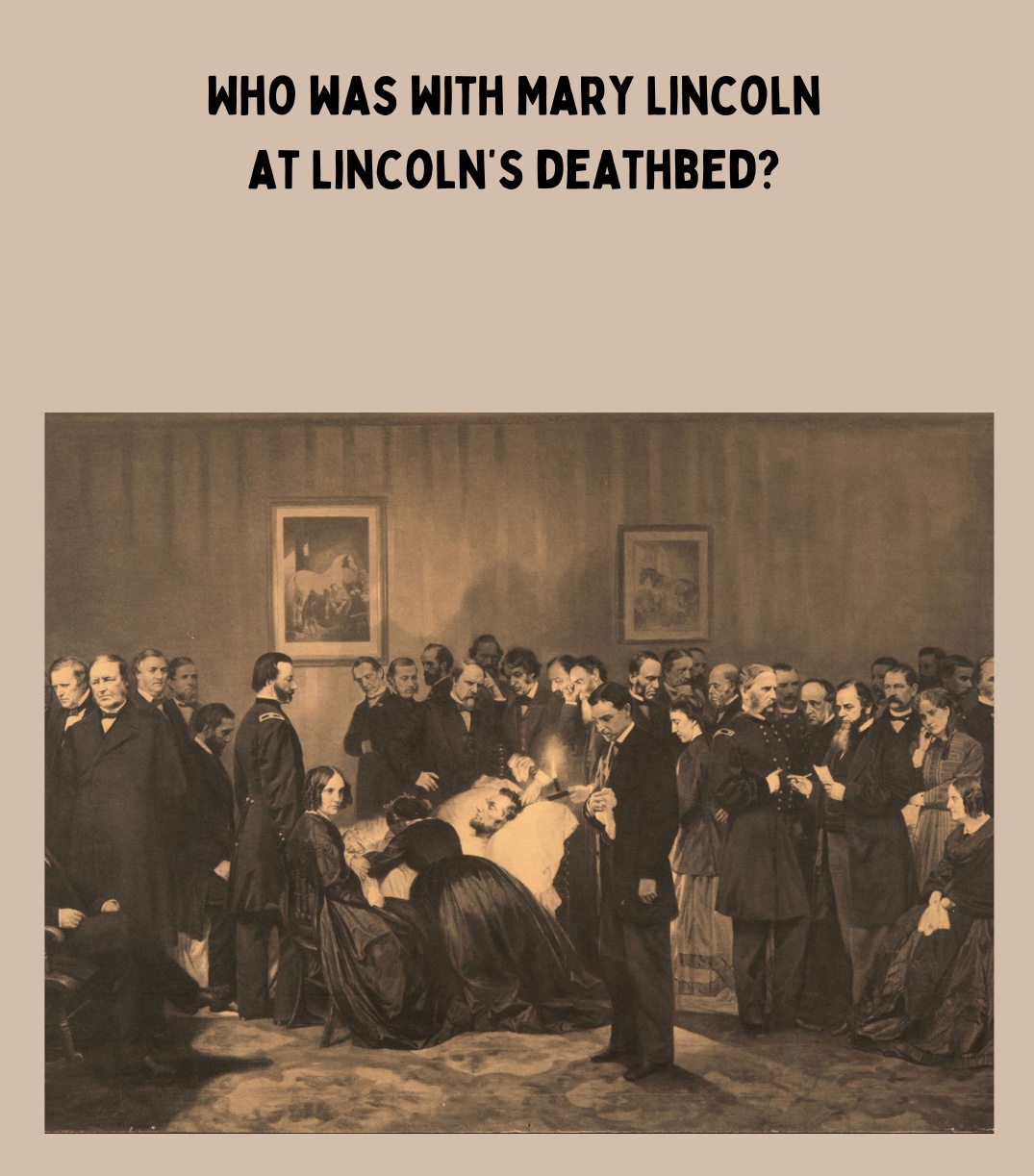
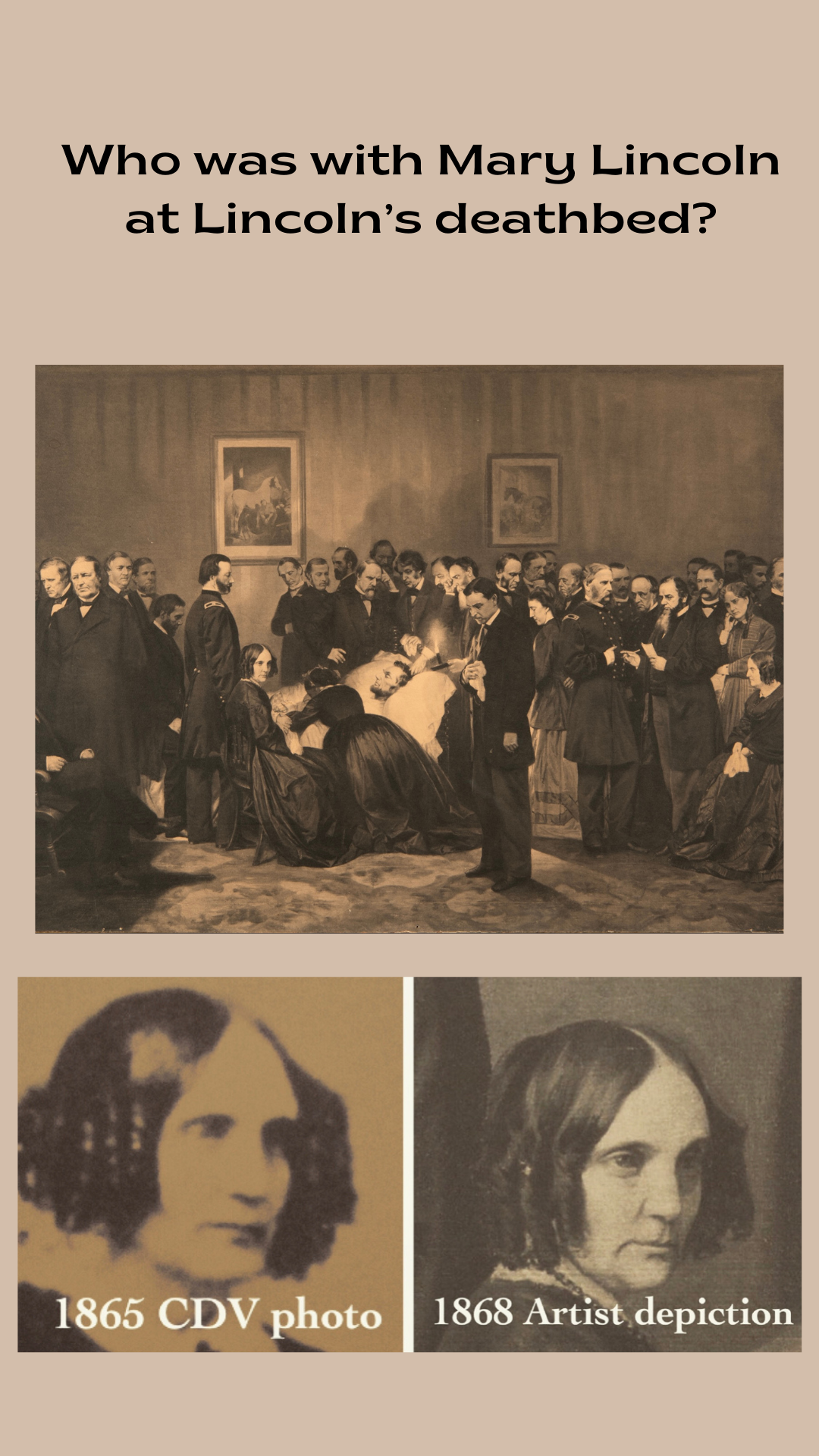
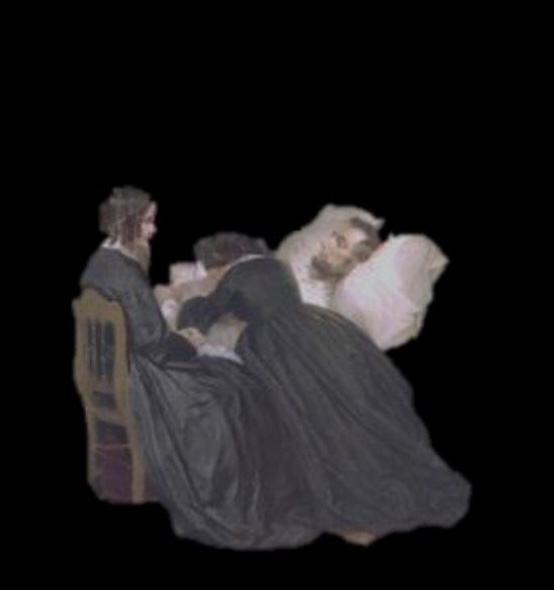
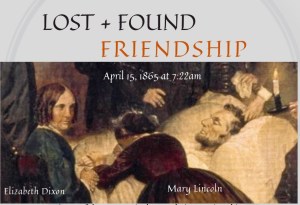
Elizabeth Dixon, Mary Lincoln at Lincoln’s deathbed
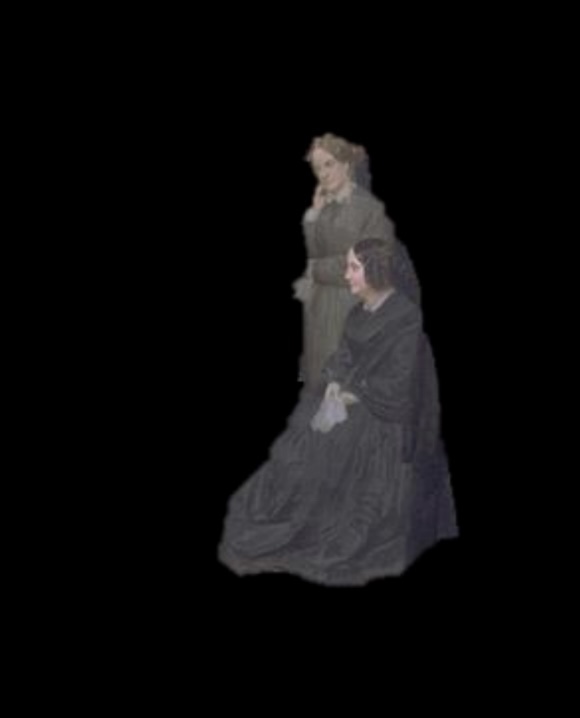
Mrs. Mary C. Kinney and Miss Constance Kinney, future Countess Gianotti, wife of Count Caesar Gianotti of Italy.
Shown on the top, is my great-great grandmother, Mrs. Elizabeth L. C. Dixon with outstretched Mary Lincoln and the dying president.
Below are two other family members who witnessed Lincoln’s death– the sister of Elizabeth L.C. Dixon, Mrs. Mary C. Kinney and niece, Miss Constance Kinney, future Countess Gianotti, wife of Count Caesar Gianotti, of Italy.
Please listen to the episode and let me know if you find it informative and/or interesting.
Elizabeth Dixon comforted her friend, Mary Lincoln at President Lincoln’s deathbed
As noted on Events page, on April 14-15, 2015 Fords Theater in Washington D.C. partnered with National Portrait Gallery and National Park Service to commemorate the 150 year anniversary of the death of President Abraham Lincoln by hosting around-the-clock public events.
In attendance, anonymously, were the great-great grandchildren of Elizabeth L. C. Dixon. She was the close friend of Mary Lincoln, who also witnessed President Lincoln’s final hours of life. After his death, it was she who brought Mary Lincoln, now a lonely widow, back to the White House alone. Mrs. Elizabeth L.C. Dixon shunned all publicity and never wished to be associated to the night Lincoln died.
On 4/15/2015 the grandchildren of the grandchildren of Elizabeth Dixon attended Lincoln 150 at Fords Theater.
In honor of her personal strength and the loving kindness shown to Mary Lincoln throughout the tragic event, the grandchildren of her grandchildren anonymously, with no fanfare, stood among the throngs of spectators in attendance during Fords Theater 150 events.
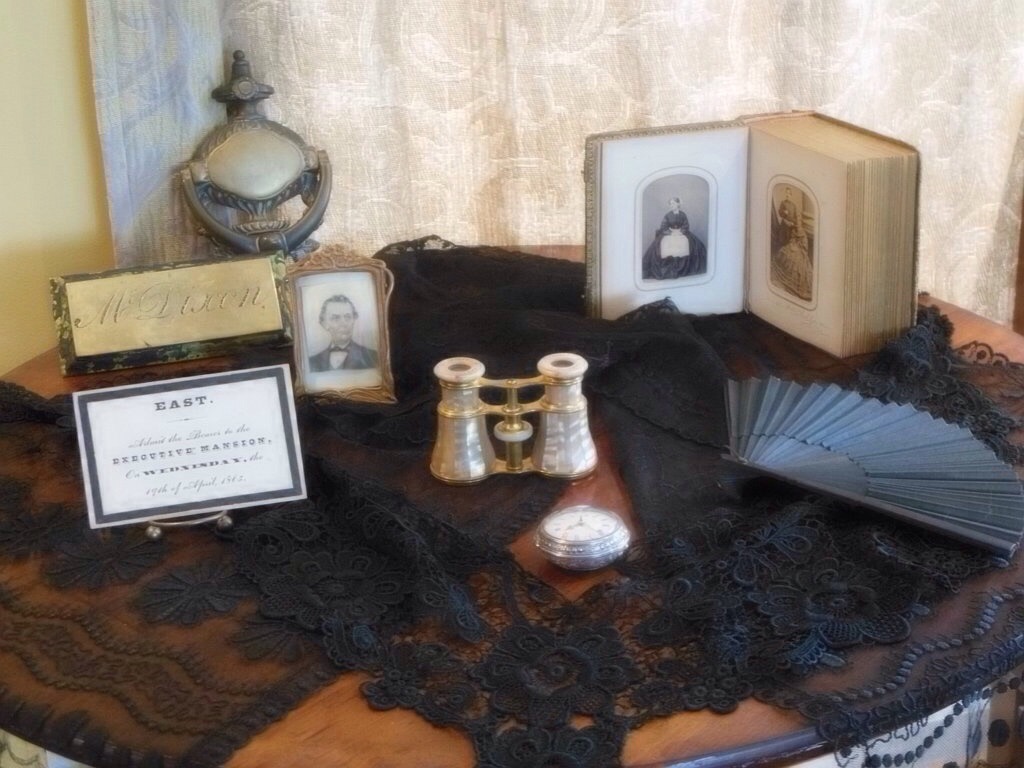
During the 150 Lincoln commemoration the Dixon cousins assembled for private viewing of Elizabeth LC Dixon’s collection of letters and Civil War relics shared for the first time in 150 years. These artifacts preserved by her grandchildren so that their grandchildren may also be given a glimpse into the lives of the Lincoln’s and their personal friendships.
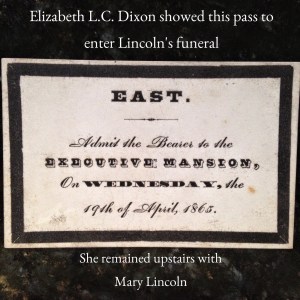
East entrance funeral pass carried by Elizabeth Dixon
These items were passed down from Elizabeth Dixon, friend who comforted Mary Lincoln at Lincoln deathbed
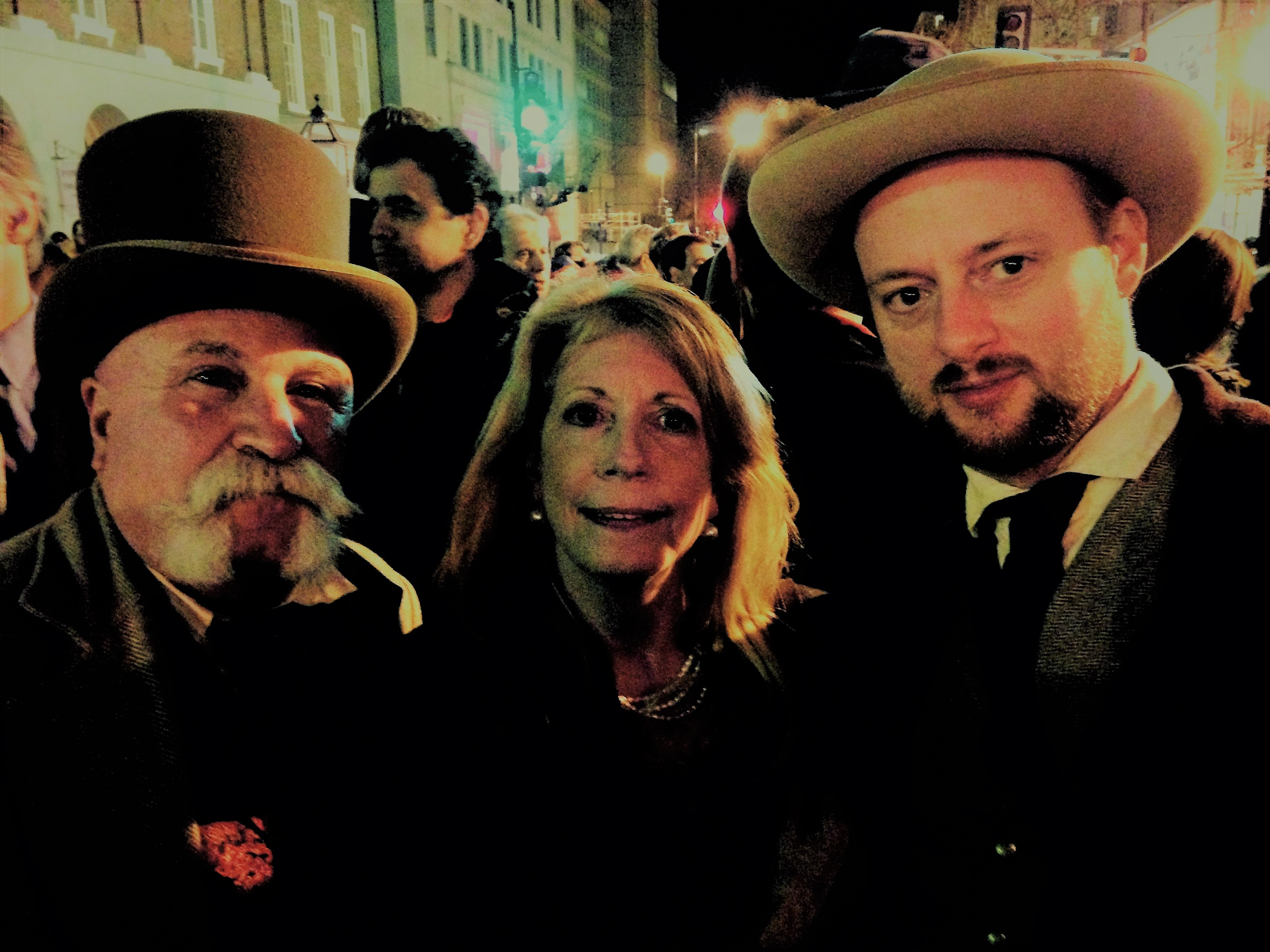
150 years after Elizabeth Dixon witnessed Lincoln’s last hours her great-great grandchildren attended Fords Theater Lincoln 150 Events.
Great-grandchildren of Elizabeth Dixon, lady friend who comforted Mary Lincoln and witnessed death of Lincoln attend Lincoln 150
But who was Elizabeth L.C. Dixon? Who was this mysterious woman seated next to Mary Lincoln in the famous painting of individuals present at the deathbed of President Lincoln?
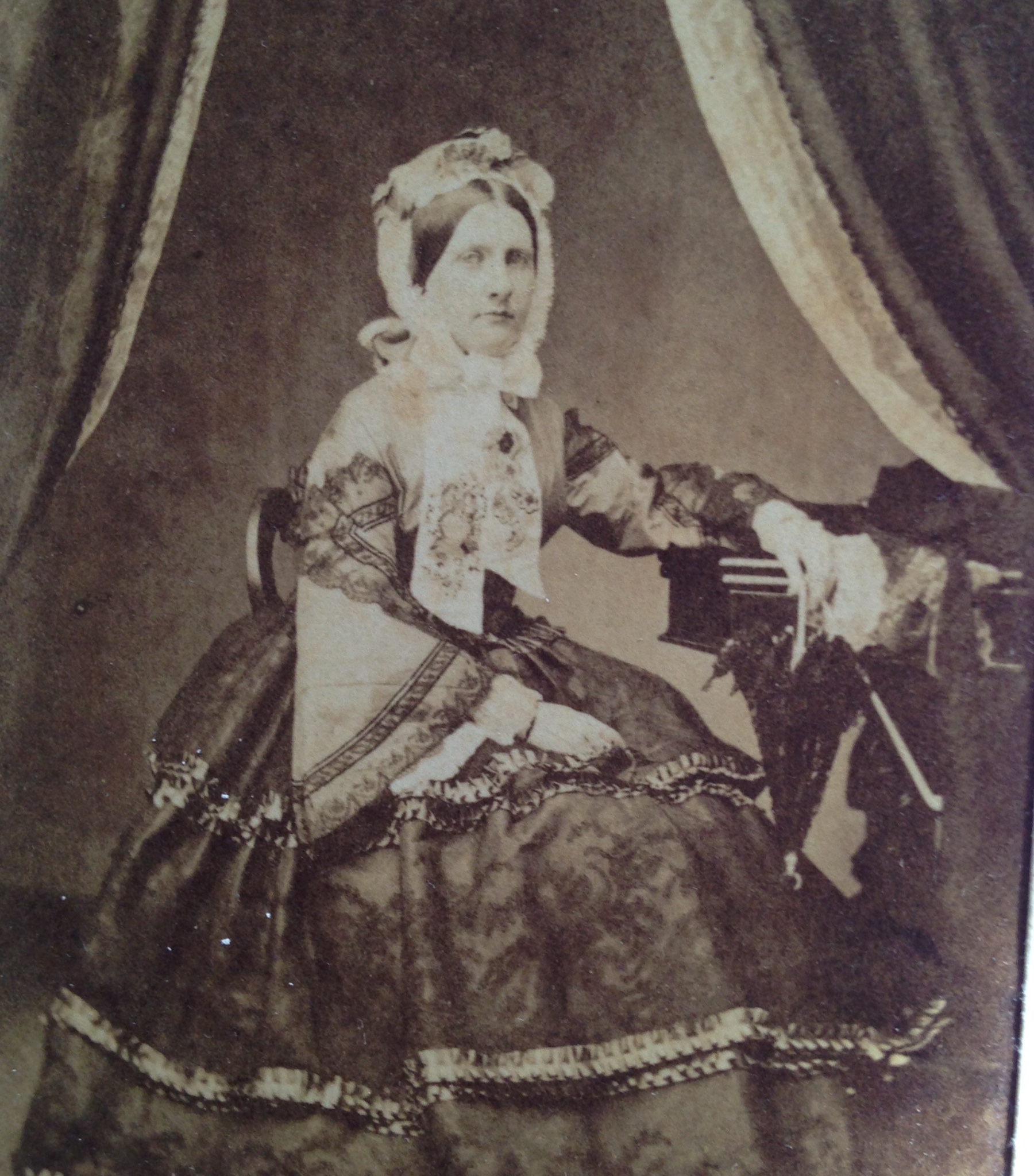
1840 wedding portrait of Elizabeth Dixon
After Elizabeth Dixon witnessed Lincoln’s death she virtually erased herself from history. She would still be a nameless face in that painting if not for the publication of The Diary of Elizabeth Dixon 1845-47 in White House History, Issue 33.
Take a peak and read about her first impressions of the Capital city during the Polk administration and even meeting the infamous Dolley Madison.
Next up: I am currently working on another of her diaries — transcription of Elizabeth Dixon’s diary written in 1840-41 while in her European Honeymoon. I am still working on this and looking for a publisher. Please contact me for details.
Newspaper clippings, relics and photos from our family archives offer clues about their lives and friendships during the Civil War years.
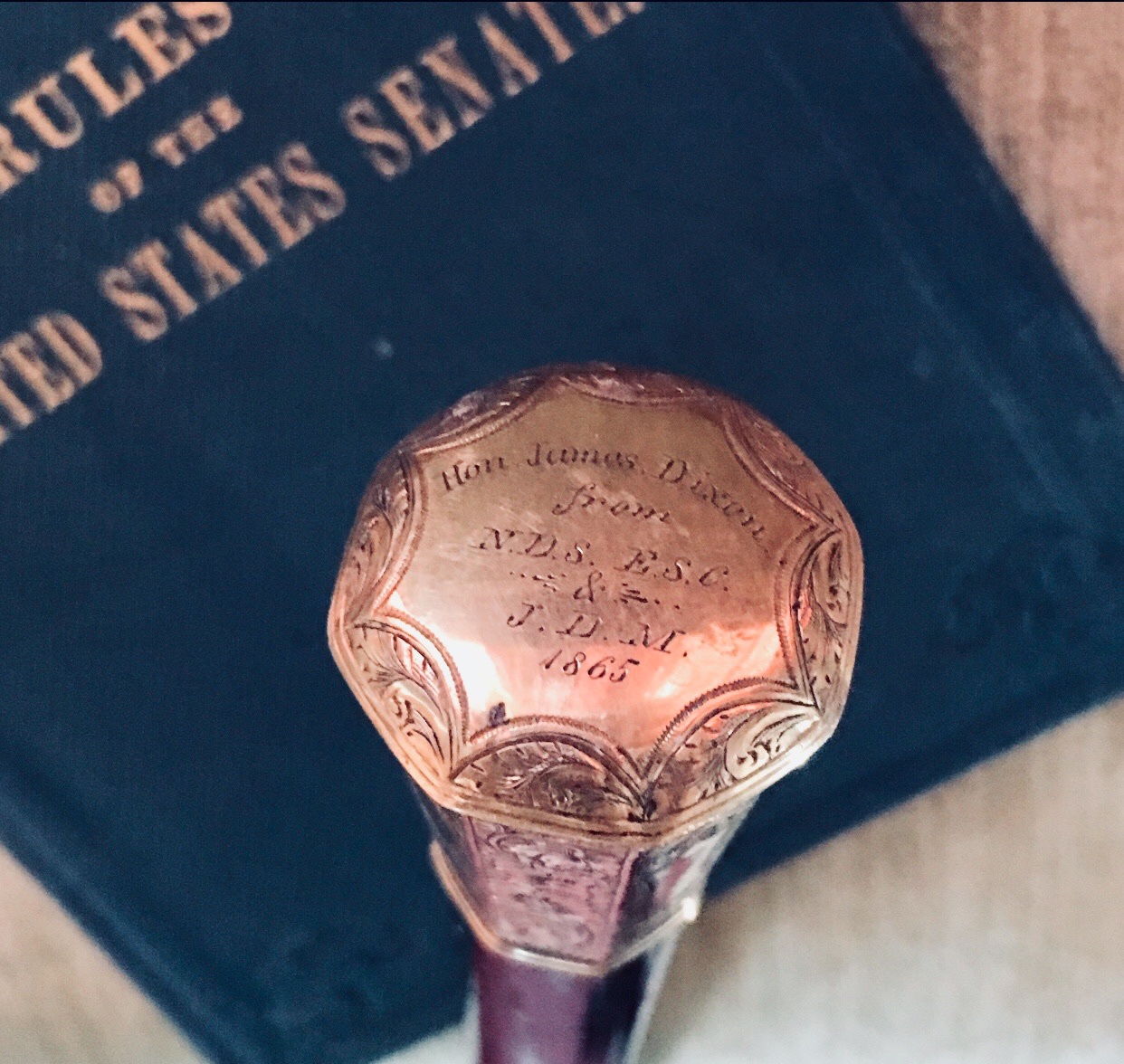
Dixon Cane
Presentation cane
In 1865 this wooden cane was given to Sen. James Dixon. Engraved on the gold handle; Hon. James Dixon from N. D. G. Esq. & J. D. M. 1865.
Dixon was given this cane in 1865, the year the Civil War ended. The gift of a cane, sometimes called a presentation cane, was a gesture of respect, admiration or appreciation.
Who gave the cane to Sen Dixon? All we know are their initials. Who was NDG Esq. and JDM? Can you can identify these mysterious friends? If you can pose a guess, please let us know.
NOTES
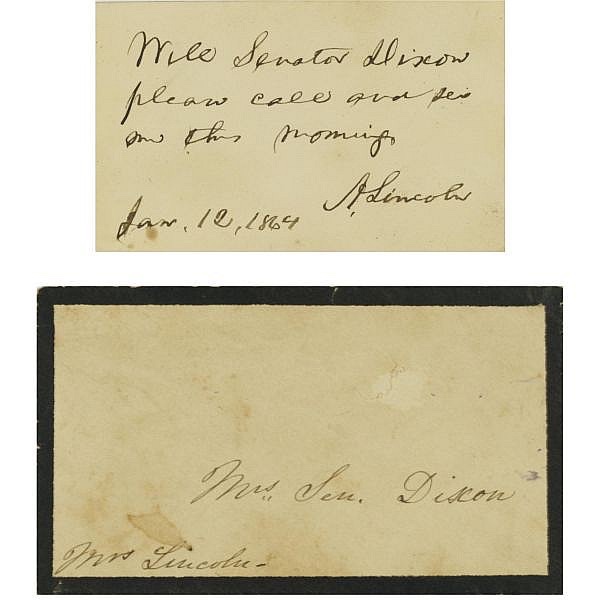
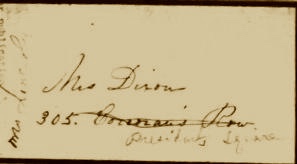
The bottom envelope addressed to Mrs. Dixon written during the Civil War was from Mrs. Lincoln. Note the address was 305 Corcoran’s Row.
President Lincoln crossed that address out and changed the address to Presidents Square.
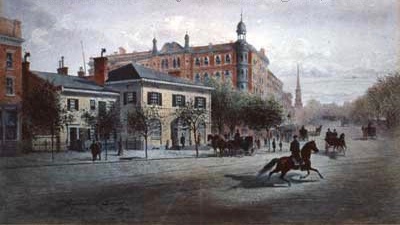
Because revisions to the numbering systems before and after the Civil War, I have had a difficult time confirming where these addresses are in present day Washington, DC. City directories retrace the Dixons back to a home at 28 Presidents Square.
The District of Columbia directory notes in: 1863 Sen. J. Dixon 28 Presidents Square PA Avenue, 1864 Sen. J. Dixon 28 PA Avenue
Turns out this is 28 Presidents Sq. next to Riggs Bank on Penn Ave.
Newspapers:
May 1861
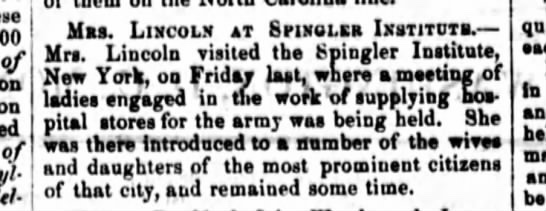
1861 Mary Lincoln visits NYC Spingler Institute for Young Ladies
“Mrs. Lincoln visited tbe Spingler Institute, New York, on Friday last, where a meeting of ladies engaged in the work of supplying hospital stores for the army was being held. She was there introduced to a number of the wives and daughters of the most prominent citizens of that city, and remained some time.”
Coincidentally, the daughter of Elizabeth Dixon attended Spingler Institute, around the corner from Fifth Avenue Hotel.
In a letter to her nephew O. C. Marsh, E. L. Dixon jested about the school as “Spinster Institute”.
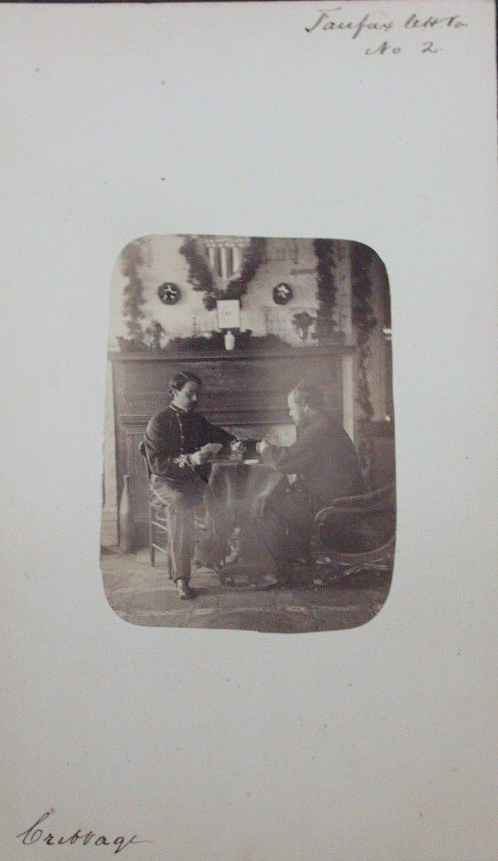
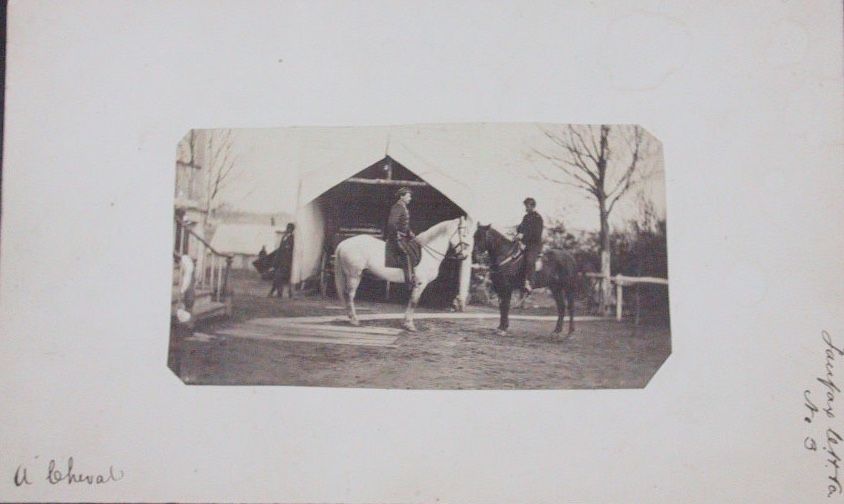
Photo album of Elizabeth Dixon:
1864 Mar 29 Mrs. Dixon and ladies visit officers and Gen.Tyler in Virginia
Imagine you discovered Civil War relics that confirmed someone in your family witnessed the death of President Lincoln. This is precisely what happened to me.
Found within our family collection of Civil War relics are artifacts left our great-great-grandmother, Elizabeth L. C. Dixon that confirmed she witnessed that fateful night and details of her close friendship with the Lincoln’s – from their first days in Washington, until their last.
The writing and relics left by Elizabeth L. C. Dixon, preserved over generations, offer an intimate glimpse into the past, from a new vantage point.
So, ‘Why was her friendship with the Lincoln’s overlooked in history?’ and ‘Why am I the first of her children to share this trove of Civil War treasures publicly? The answers to these questions may surprise you.
Over the last decade, after discovering dozens and dozens of Civil War relics, papers, diaries, photographs in our family’s basements, attics and historical societies it has become clear that our family has needed these 150 years to heal — Elizabeth L. Dixon must have been an archetype for the following generations and we have had to wait until her children’s children’s children were grown that her relics would be found and details of her friendship with the Lincolns finally shared, publicly.
White House History looks at the era of the Mexican-American War in Washington through a complete transcription of the diary of Elizabeth Dixon, wife of Congressman James Dixon.
The first of Elizabeth Dixon’s writings; ‘The Diary of Elizabeth Dixon’, 1845-47′ was featured in ‘White House History’, Issue 33, published by the White House Historical Association.






 LOST + FOUND HISTORY